Beaux-Arts Hyperdimensional Cartography
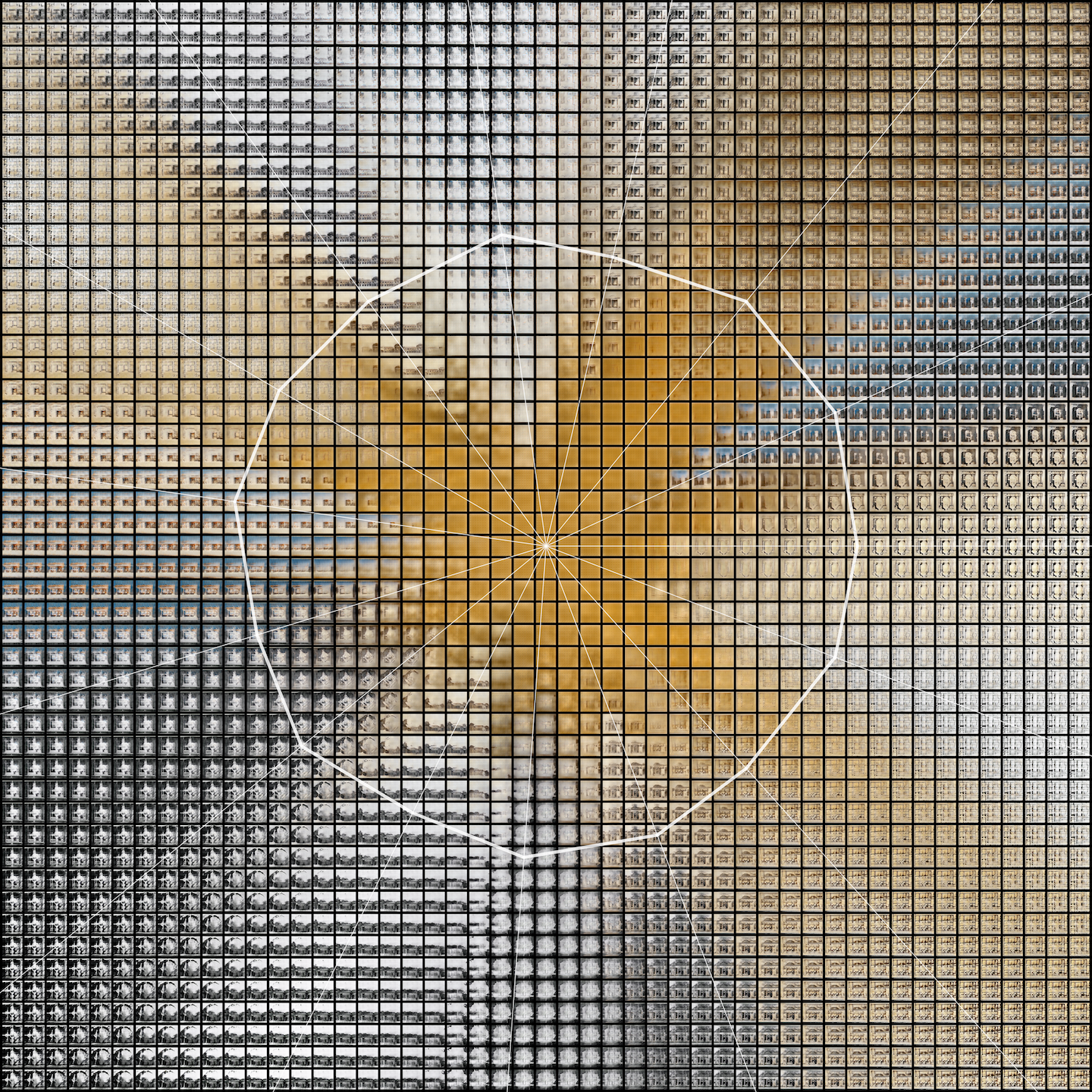
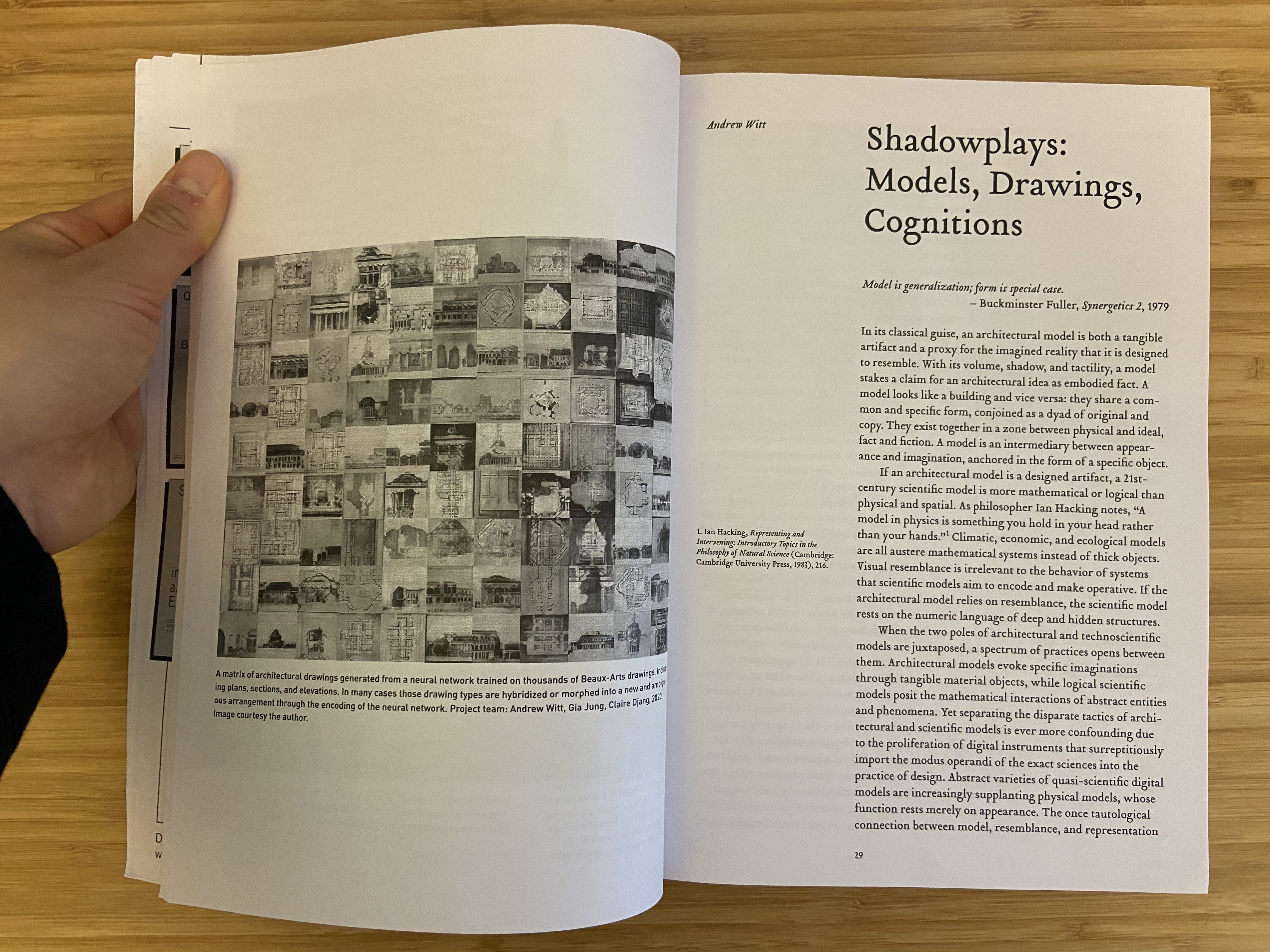
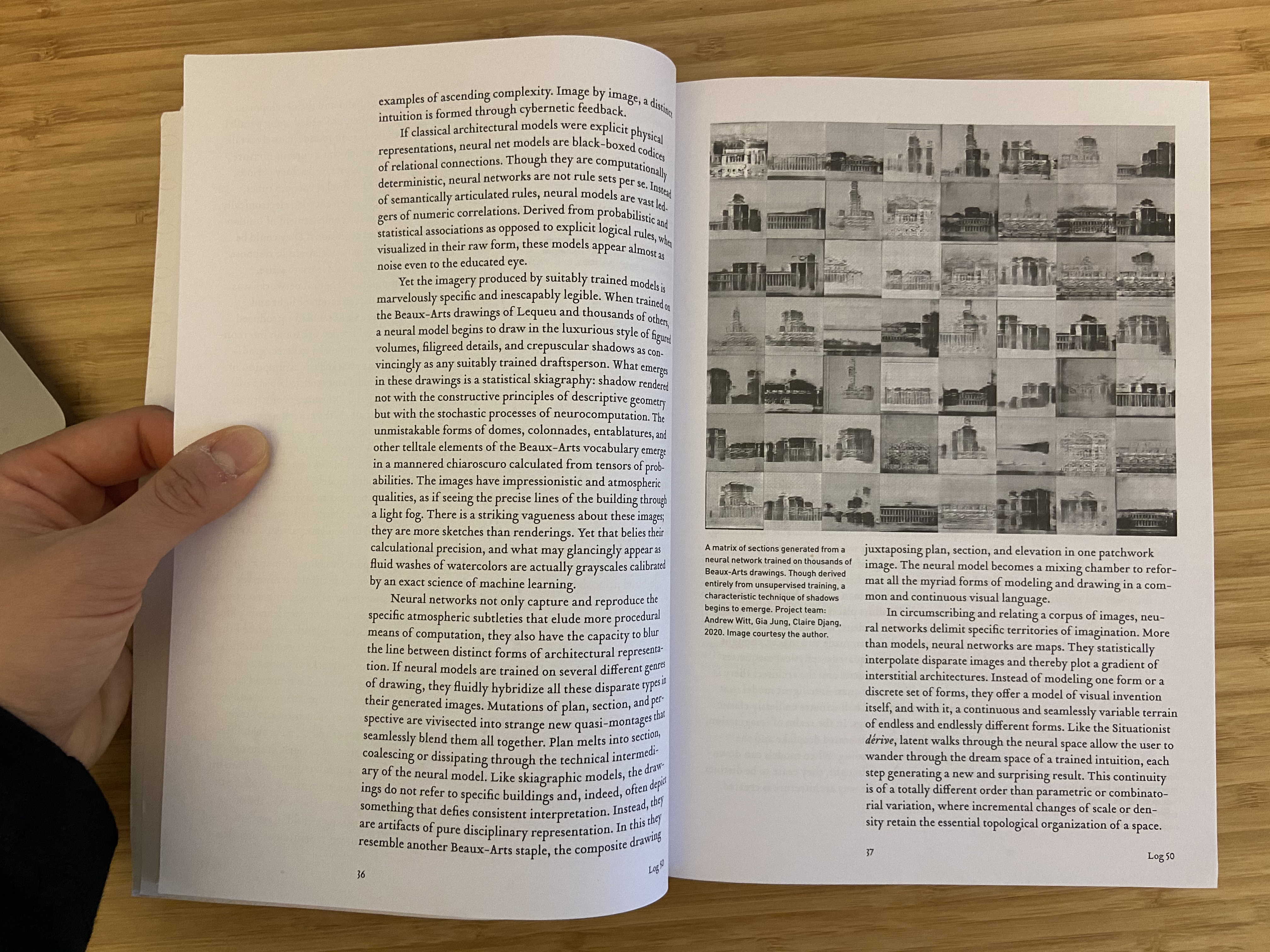
An exploration into hyperdimensional cartography and architectural interpolation. By training Generative Adversarial Networks (GANs) on classical Beaux-Arts plans and elevations, I engineered a system to map, navigate, and smoothly interpolate the latent design space of historical architectural topologies.
Publication: Log 50
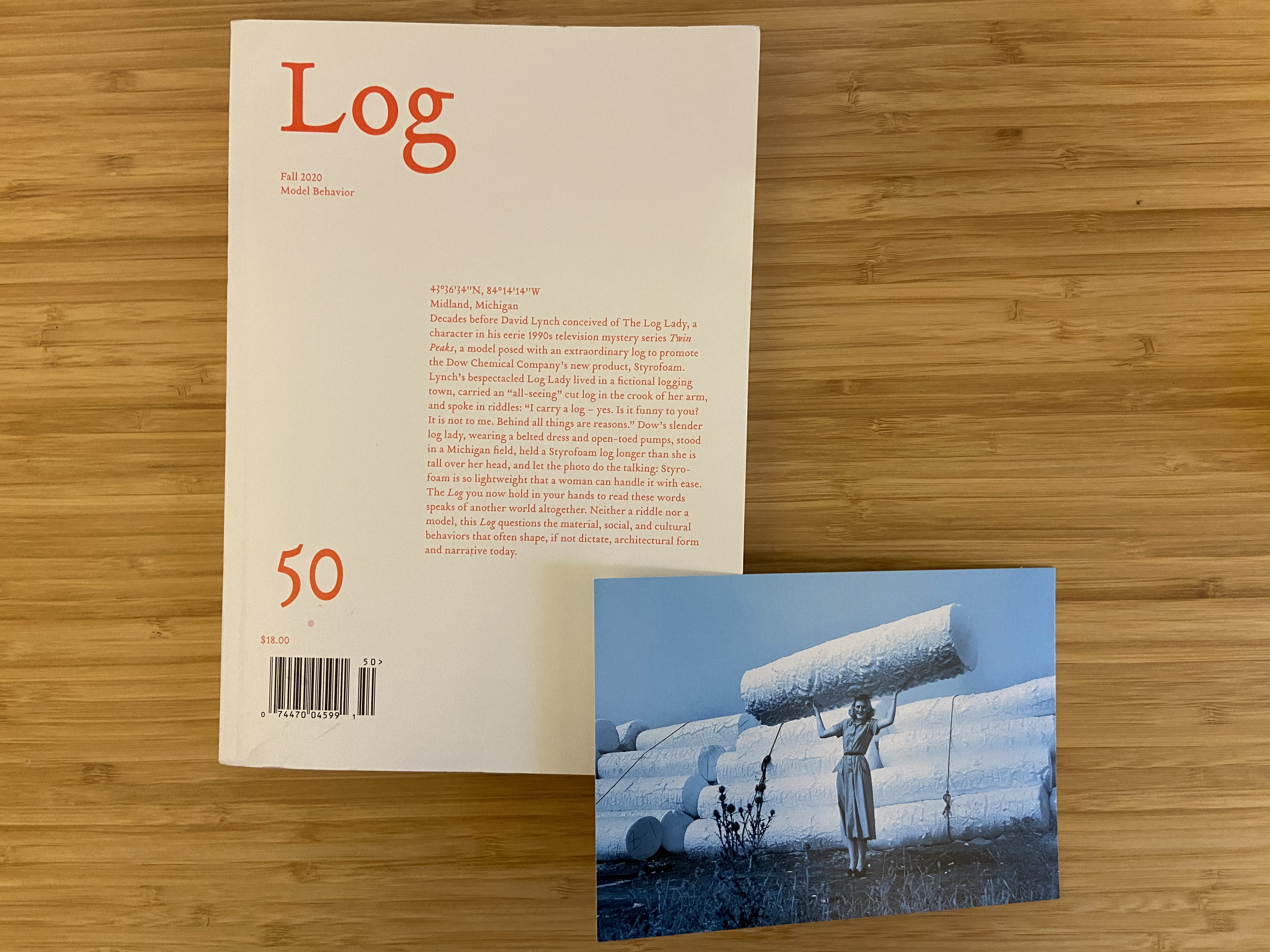
The computational methodologies and resulting visual topologies from this research were published in Log 50 — "Shadowplays: Models, Drawings, Cognitions", demonstrating the capacity for neural networks to act as rigorous, exploratory tools in architectural theory.
Curating the Architectural Dataset
To train the generative models, I curated and pre-processed a vast dataset of 17th and 18th-century Beaux-Arts drawings. The technical challenge was ensuring the network could learn the strict, rule-based constraints of classical architectural representation before attempting to hybridize them.
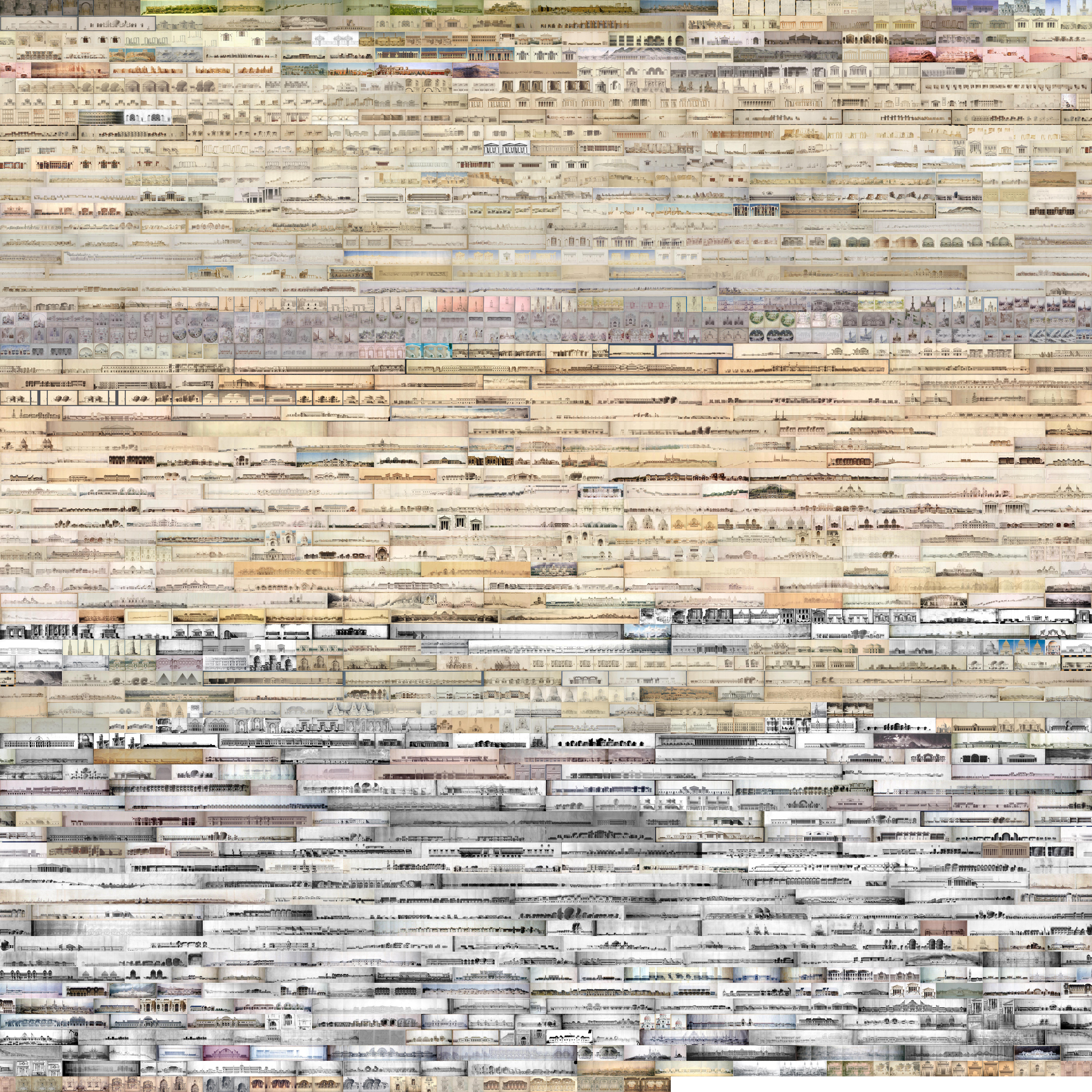
Real Images
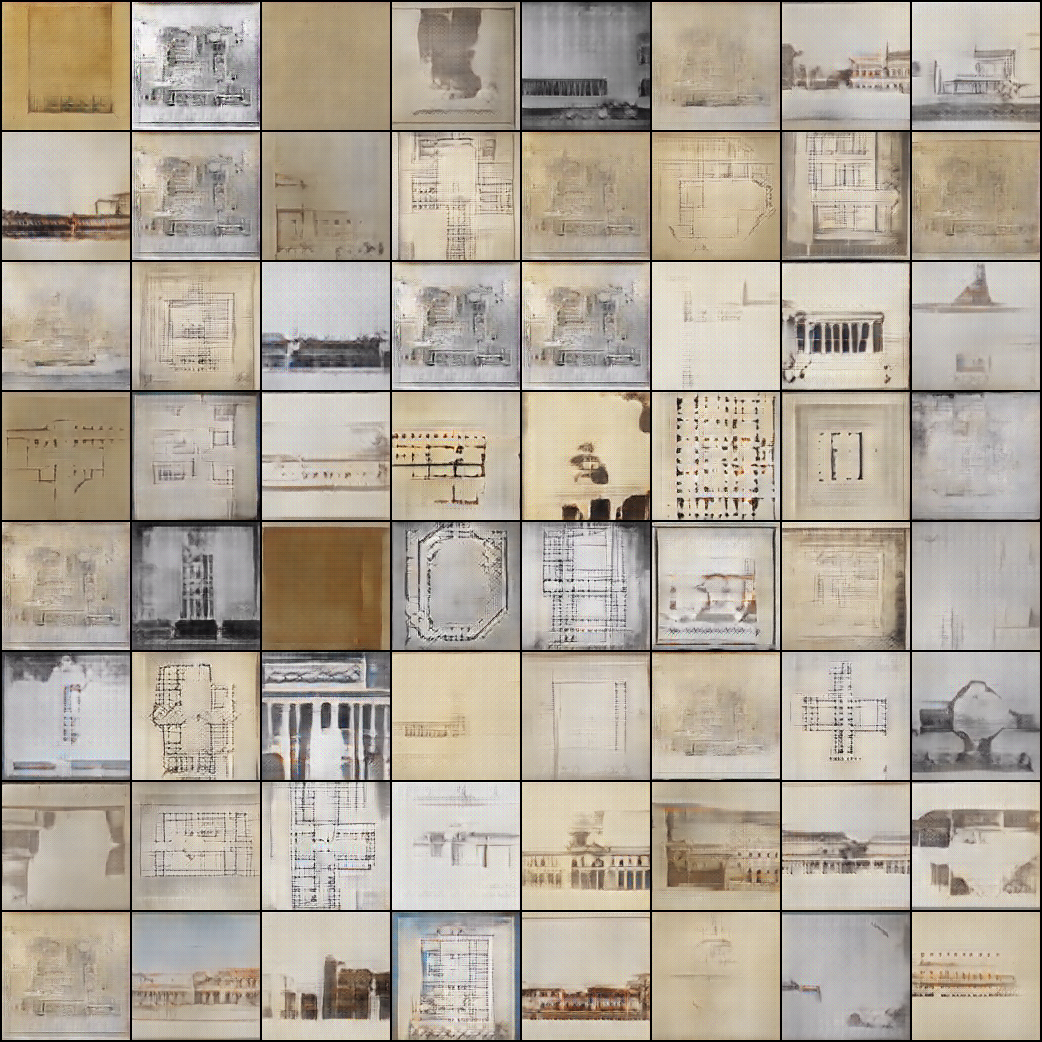
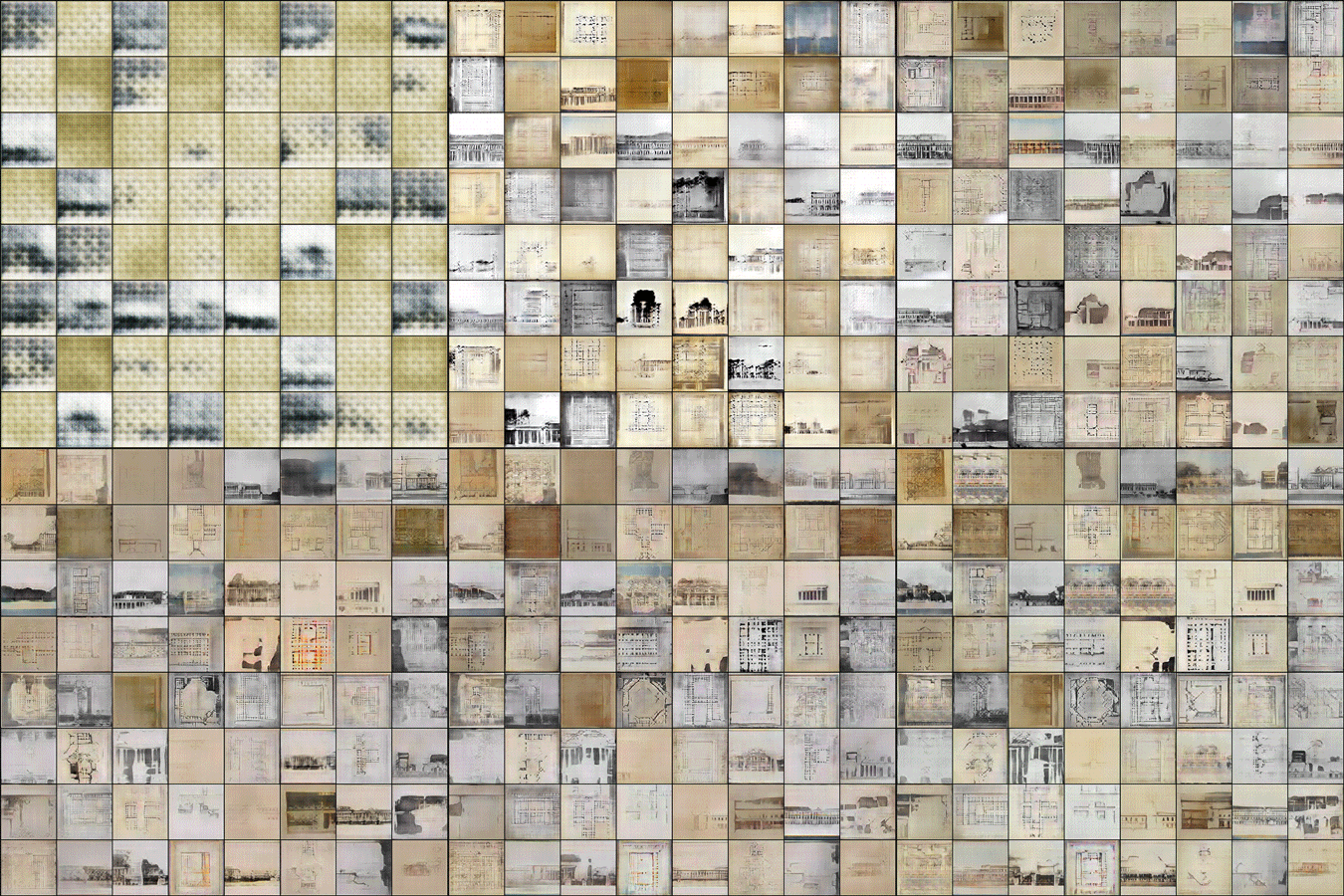
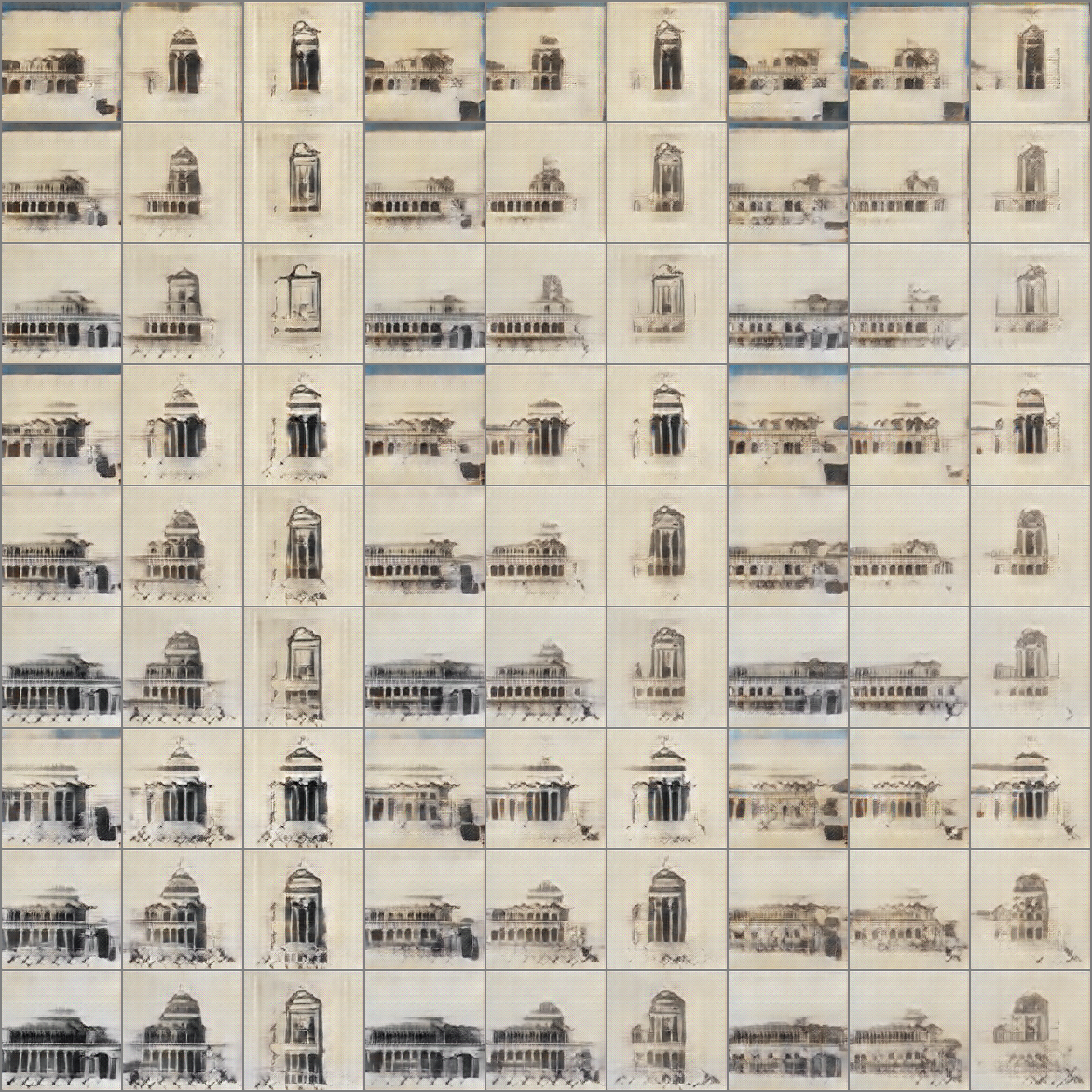
Training in Progress
Vector Arithmetic & Latent Navigation
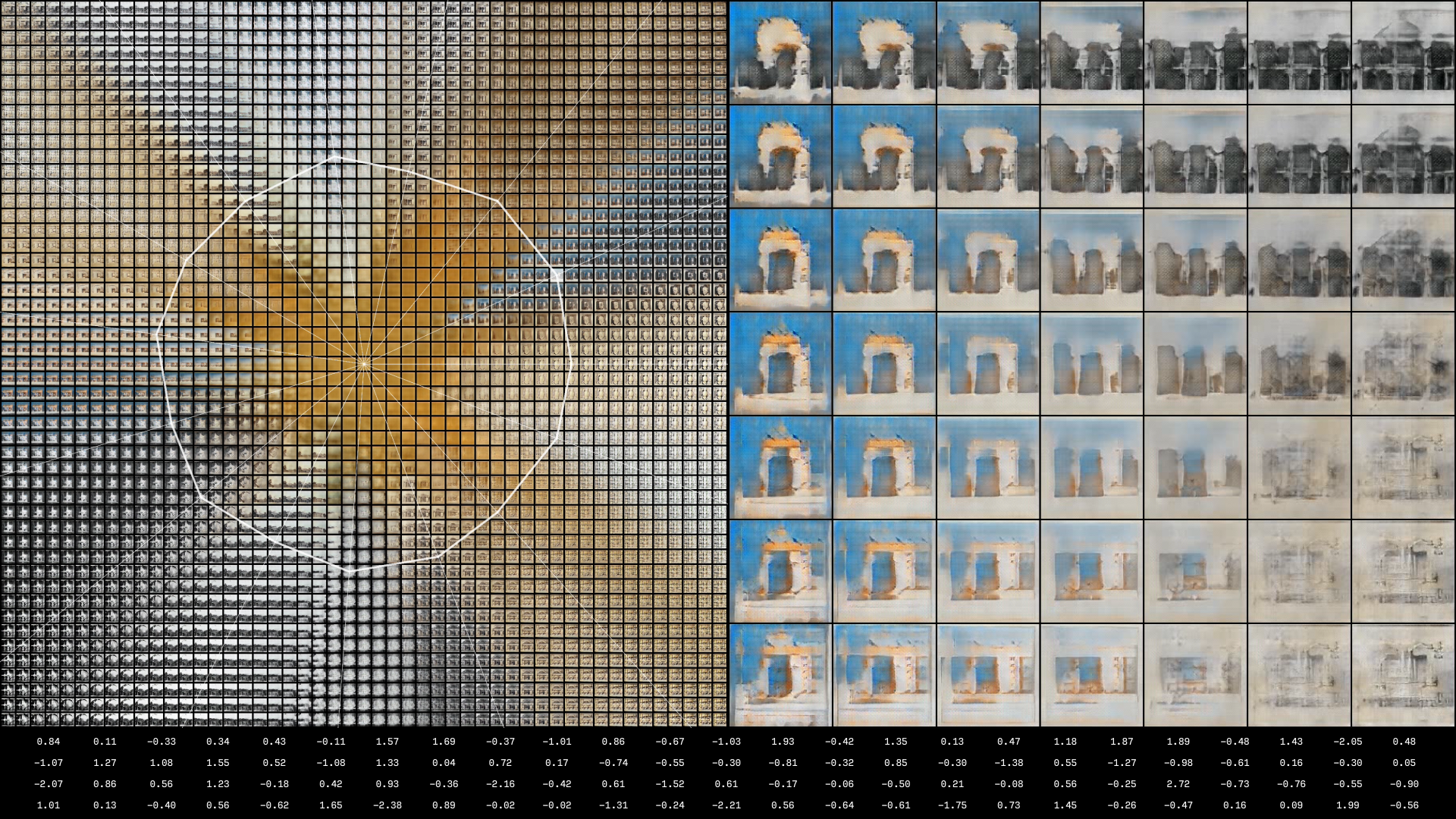
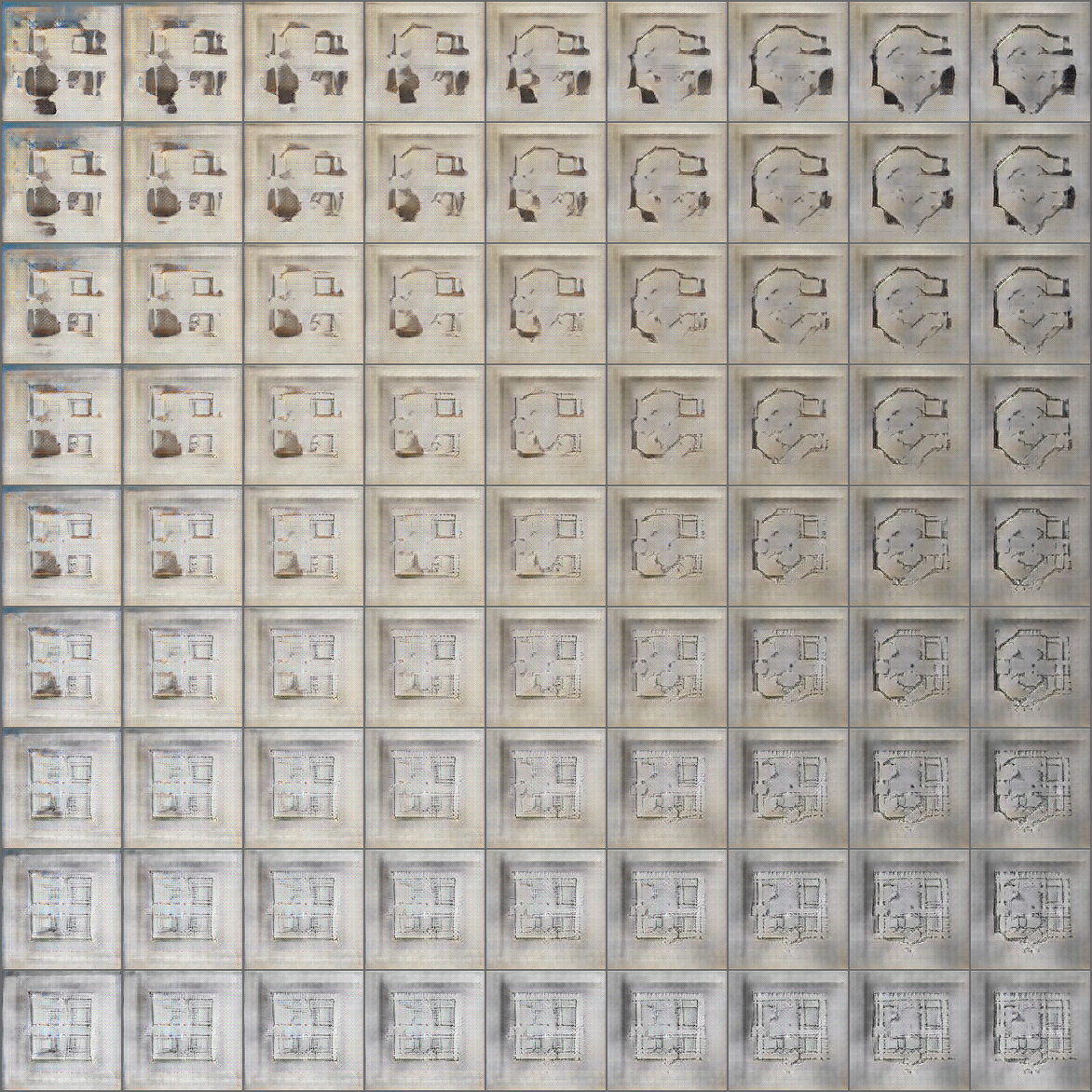
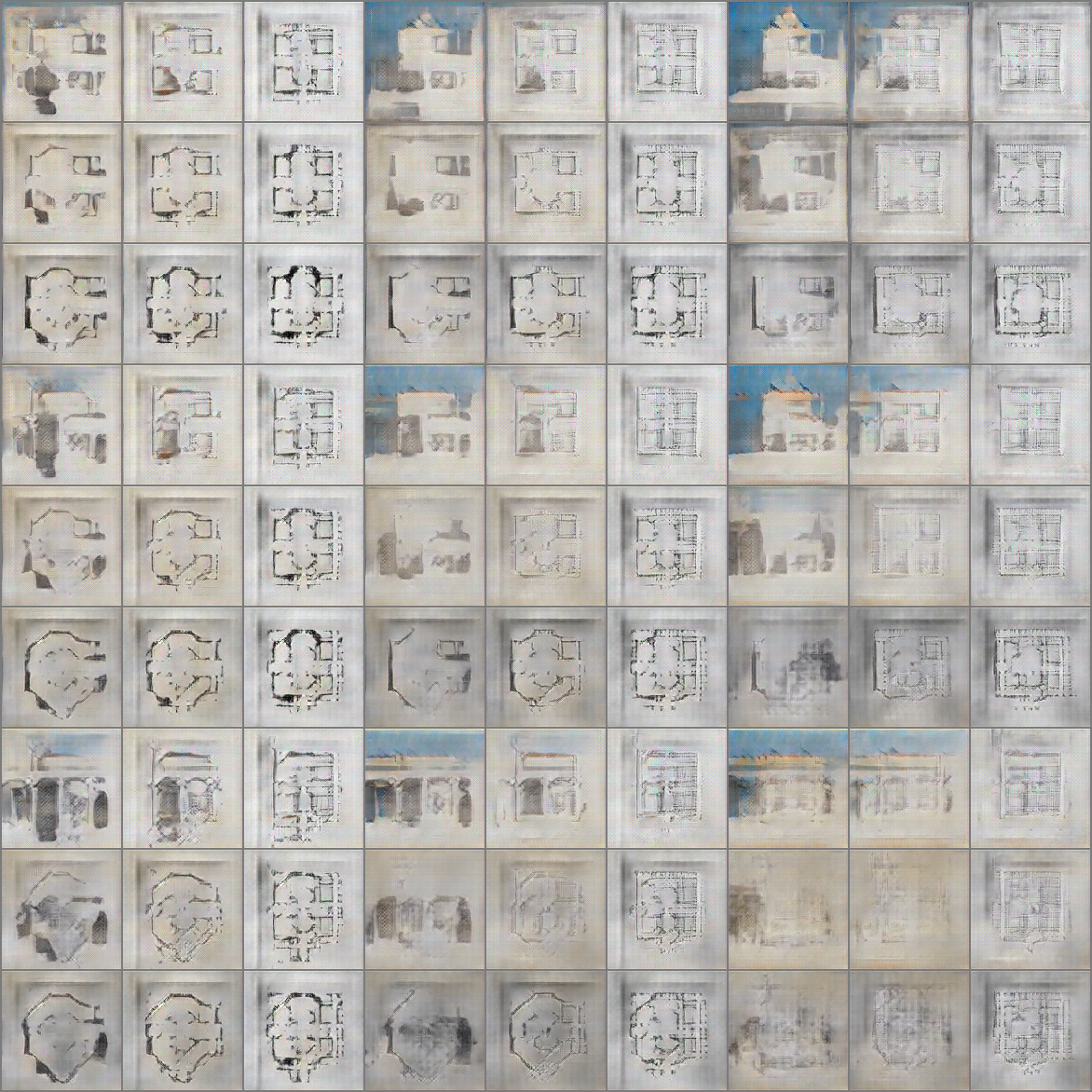
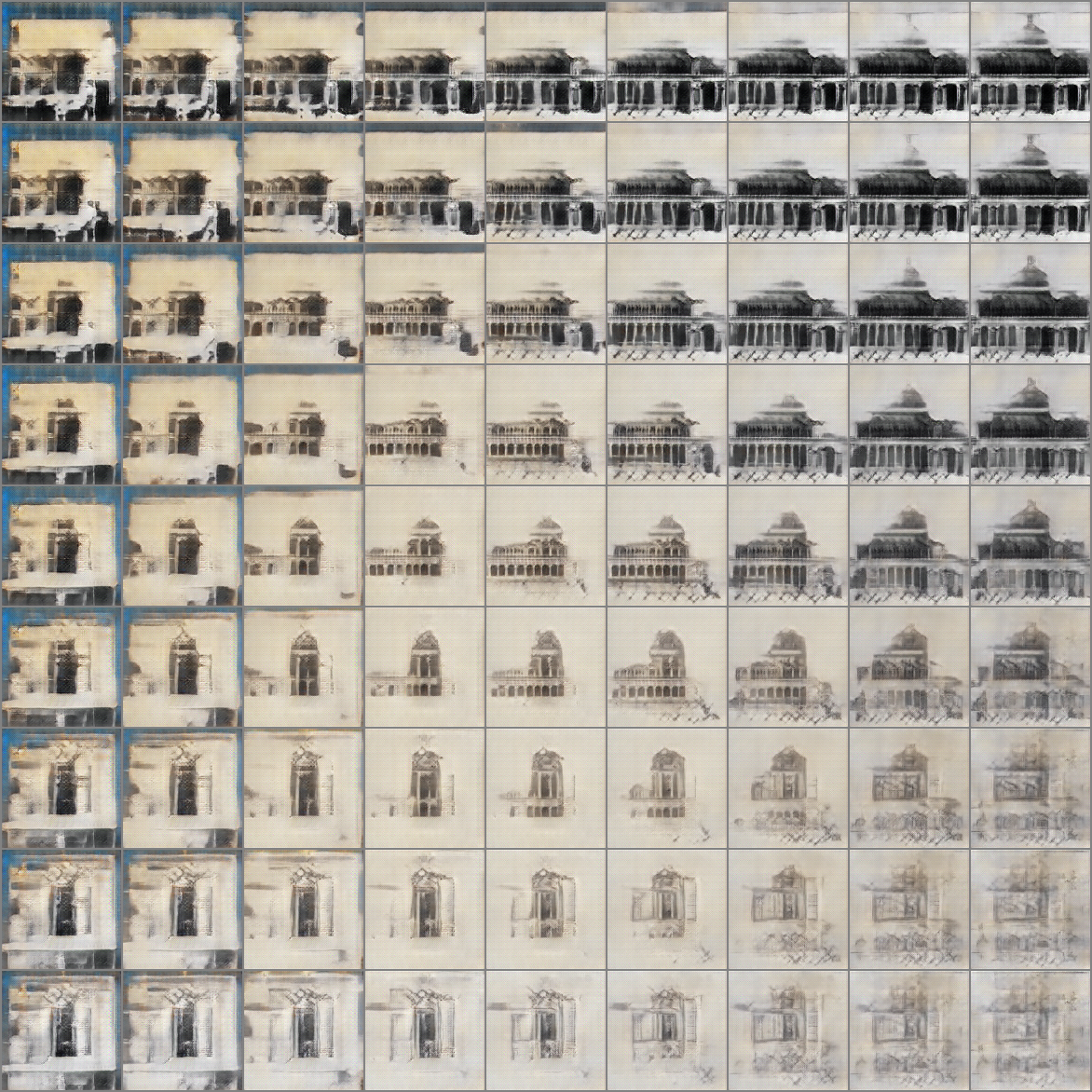
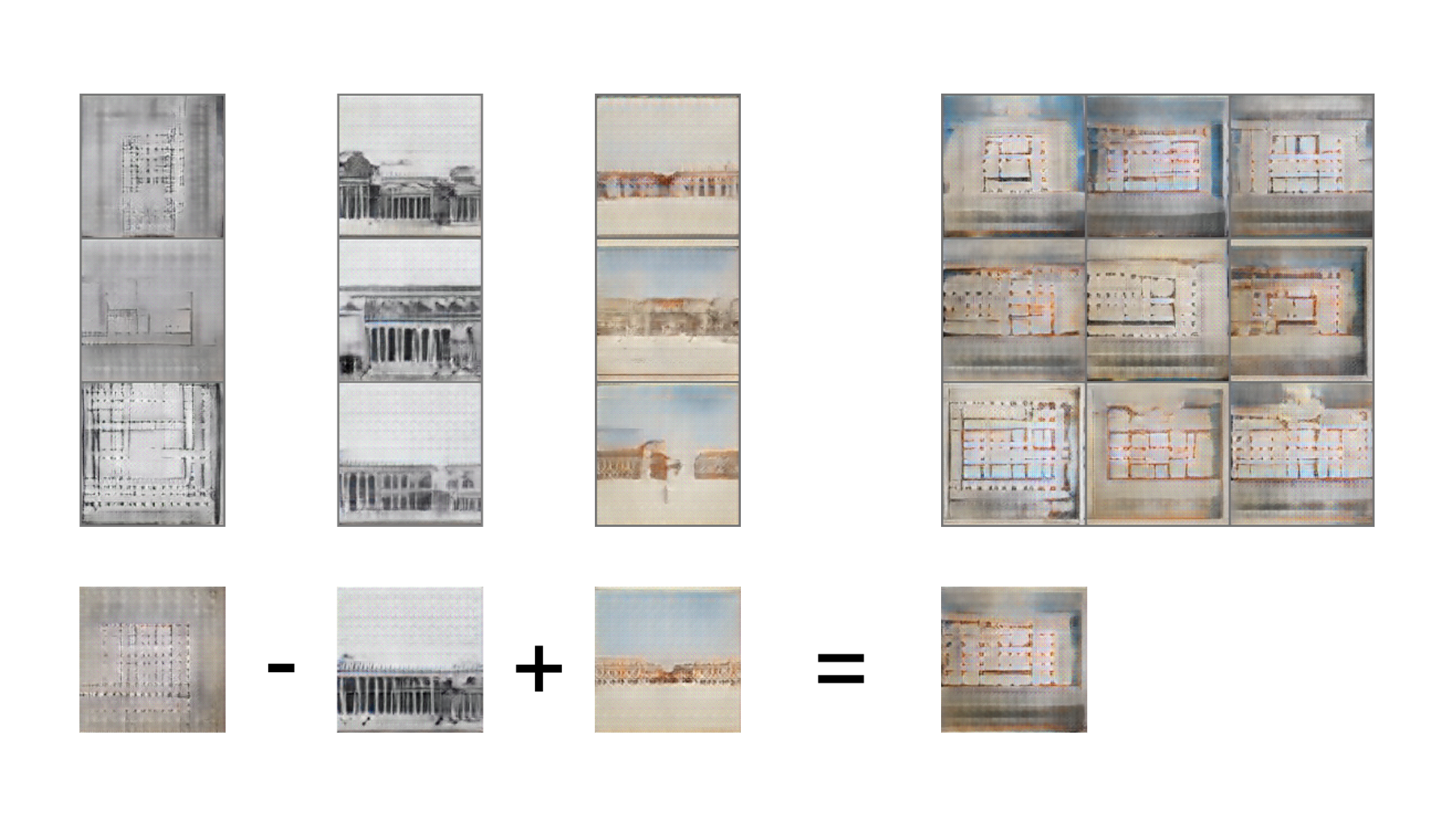
The true value of these generative networks lies in their continuous latent organization. I built an interactive navigator to explore this space. By applying vector arithmetic, an interpolation between a rigid plan and a section image reveals entirely novel, mathematical architectural hybrids that maintain structural coherence.
Dimensionality Reduction & Geometric Projection
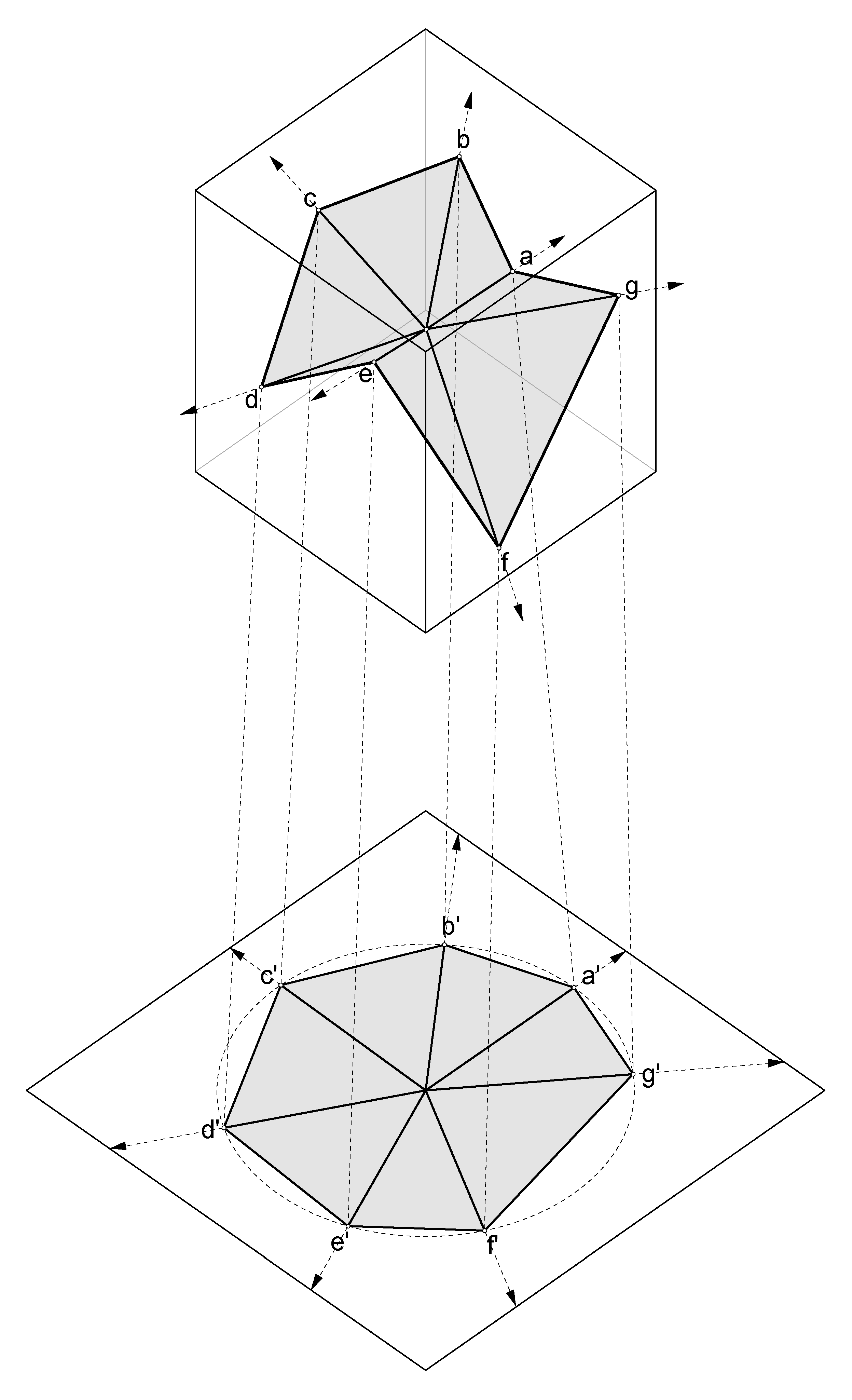
Navigating a high-dimensional latent space requires legible tooling. I applied methods of geometric projection and developability to flatten the hyperdimensional latent space into a readable 2D map. This allows designers to visually identify local neighborhoods of stylistic variants and plot deliberate trajectories through the latent space.