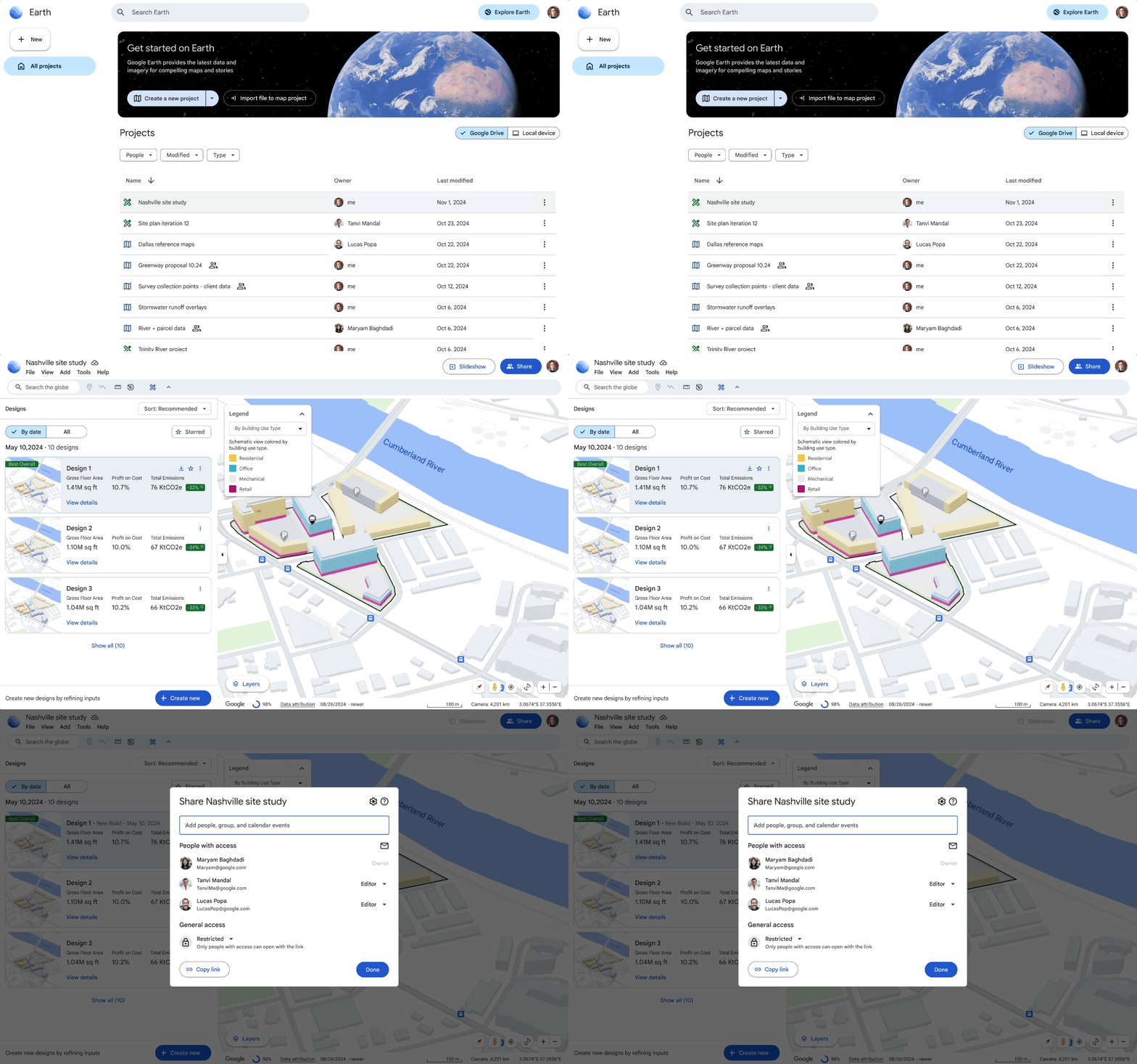
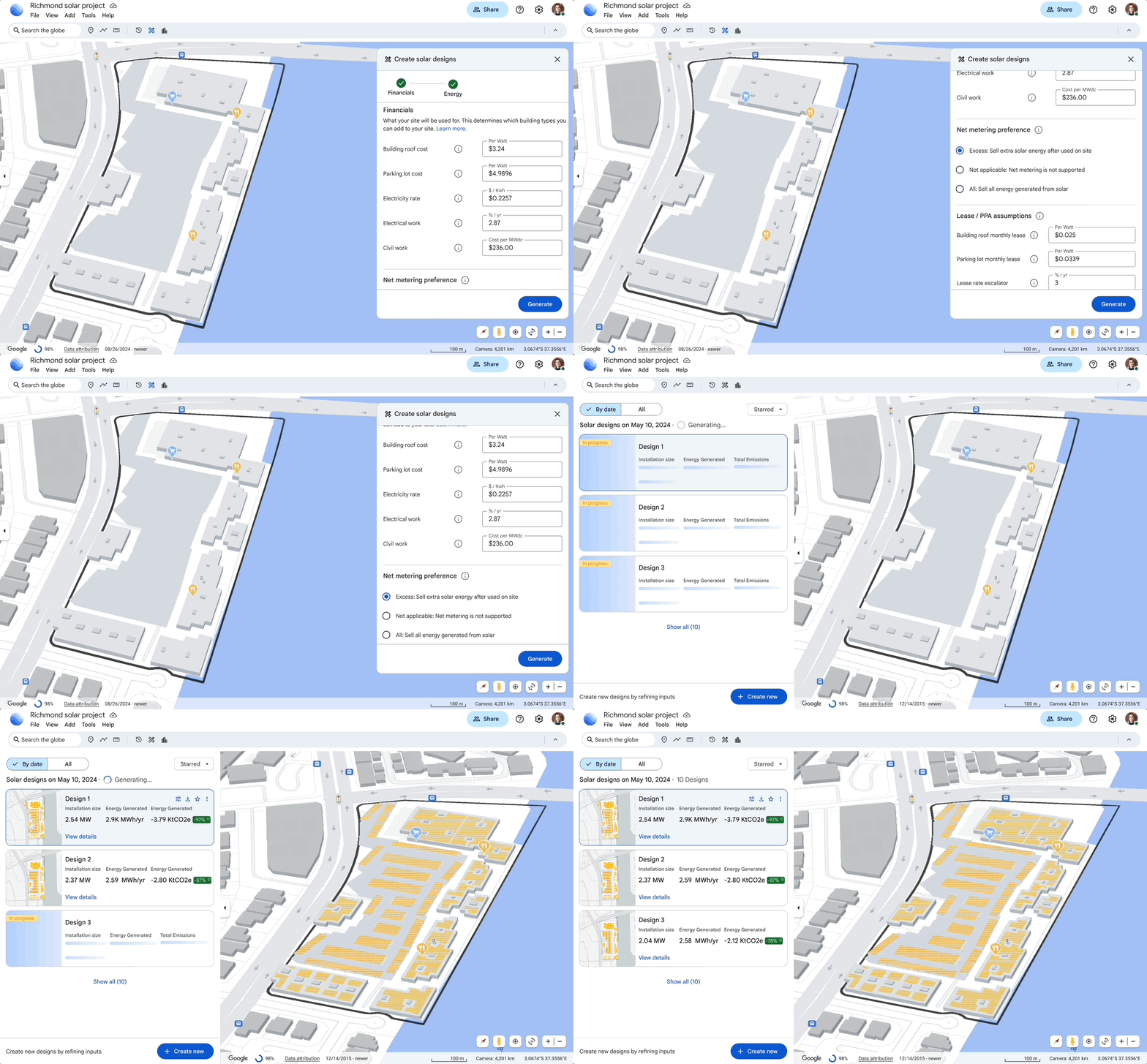
Delve → Google Earth Design
Computational Design Engineer
Jan 2022 – Dec 2023 · Google (Sidewalk Labs)
Built LLM-based regulatory checks and generative 3D design for Delve, a frontier computational urban planning product at Sidewalk Labs. I shaped optimization solvers and human-in-the-loop interaction flows with my research into domain workflows with planners and civil engineers. The product was later integrated into Google Earth Design.
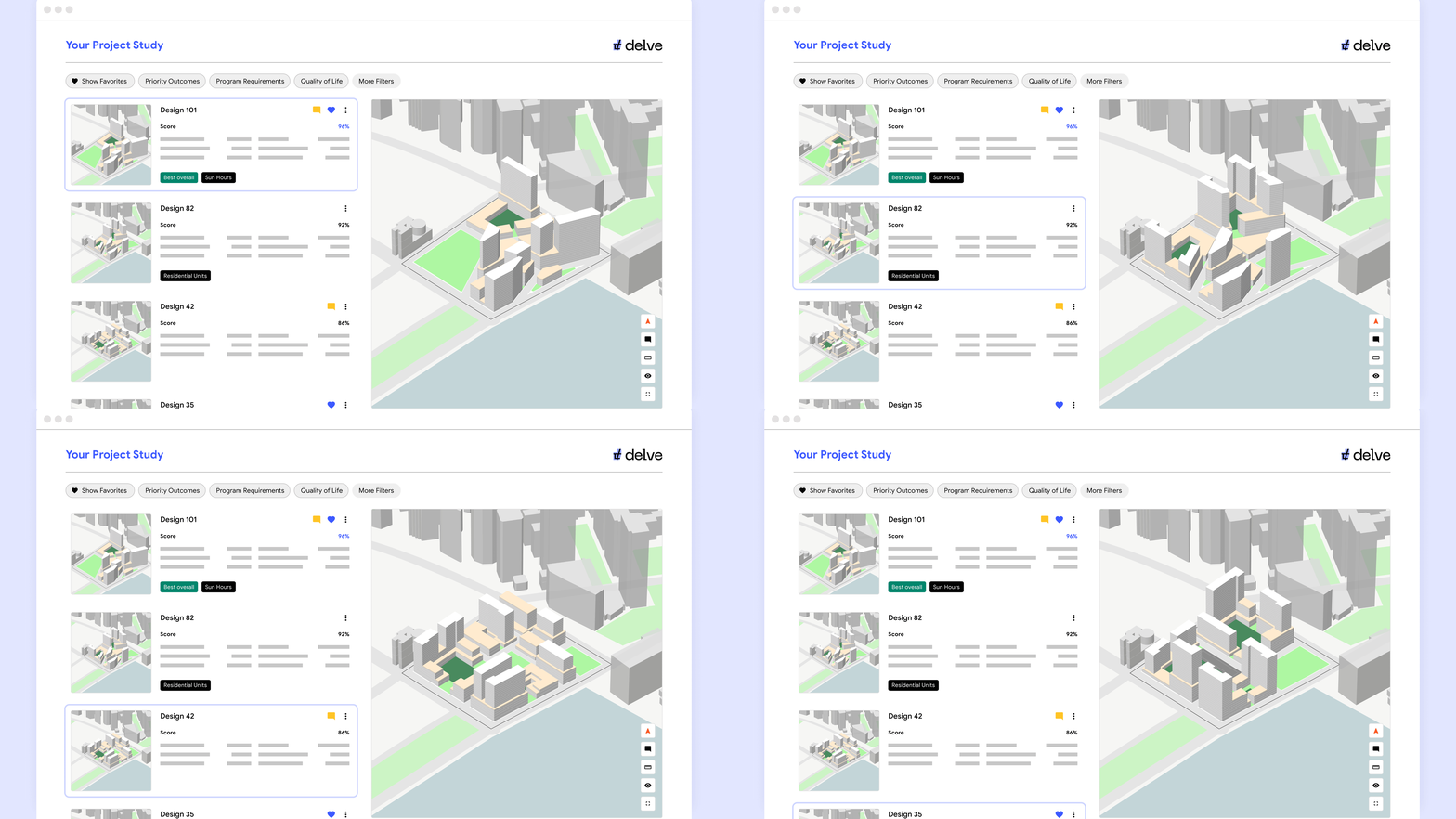
The Brief: Generative spatial design for urban planning.
I engineered generative AI systems that allowed urban planners to test highly complex, multi-variable development scenarios in seconds, equipping professionals with generative tools that expanded both the speed and quality of their workflows.
The Problem: The regulatory friction of urban planning.
Urban planners constantly weigh complex tradeoffs—daylight, acoustic noise, and housing density. However, navigating the dense web of local zoning regulations and building codes makes testing novel designs slow and opaque.
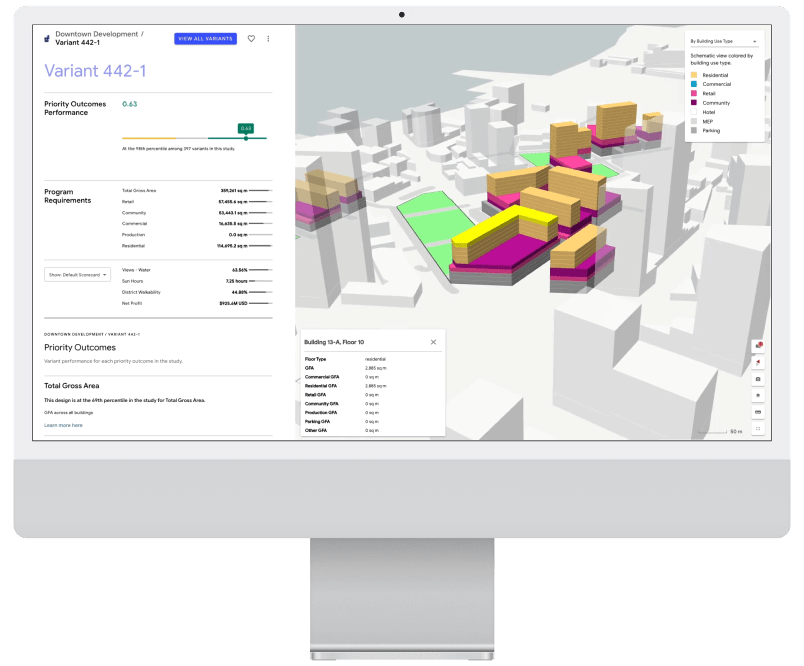
The Architecture: Bridging policy, LLMs, and constraint solvers with 3D geometry.
Instead of manually hardcoding zoning laws, I researched and designed a system that leveraged frontier LLMs to parse complex municipal regulations, translating them directly into constraints for our CP (Constraint Programming) solver. This system guaranteed that every generated 3D model was inherently legally viable from the first iteration.
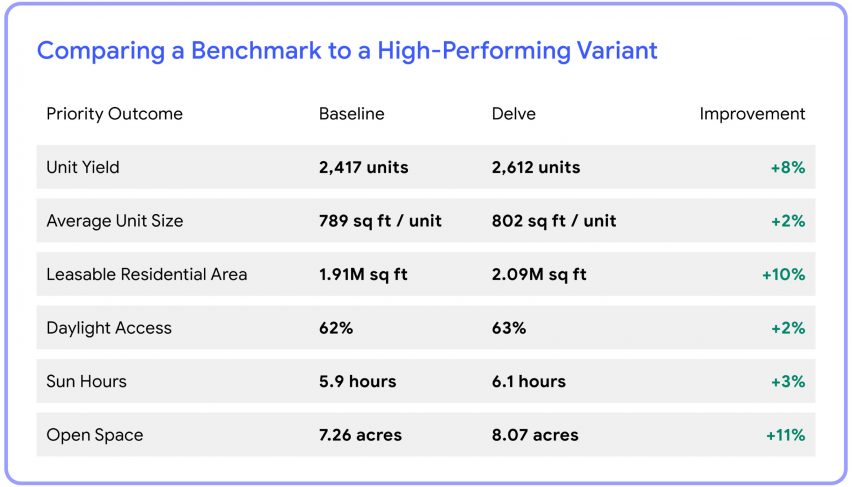
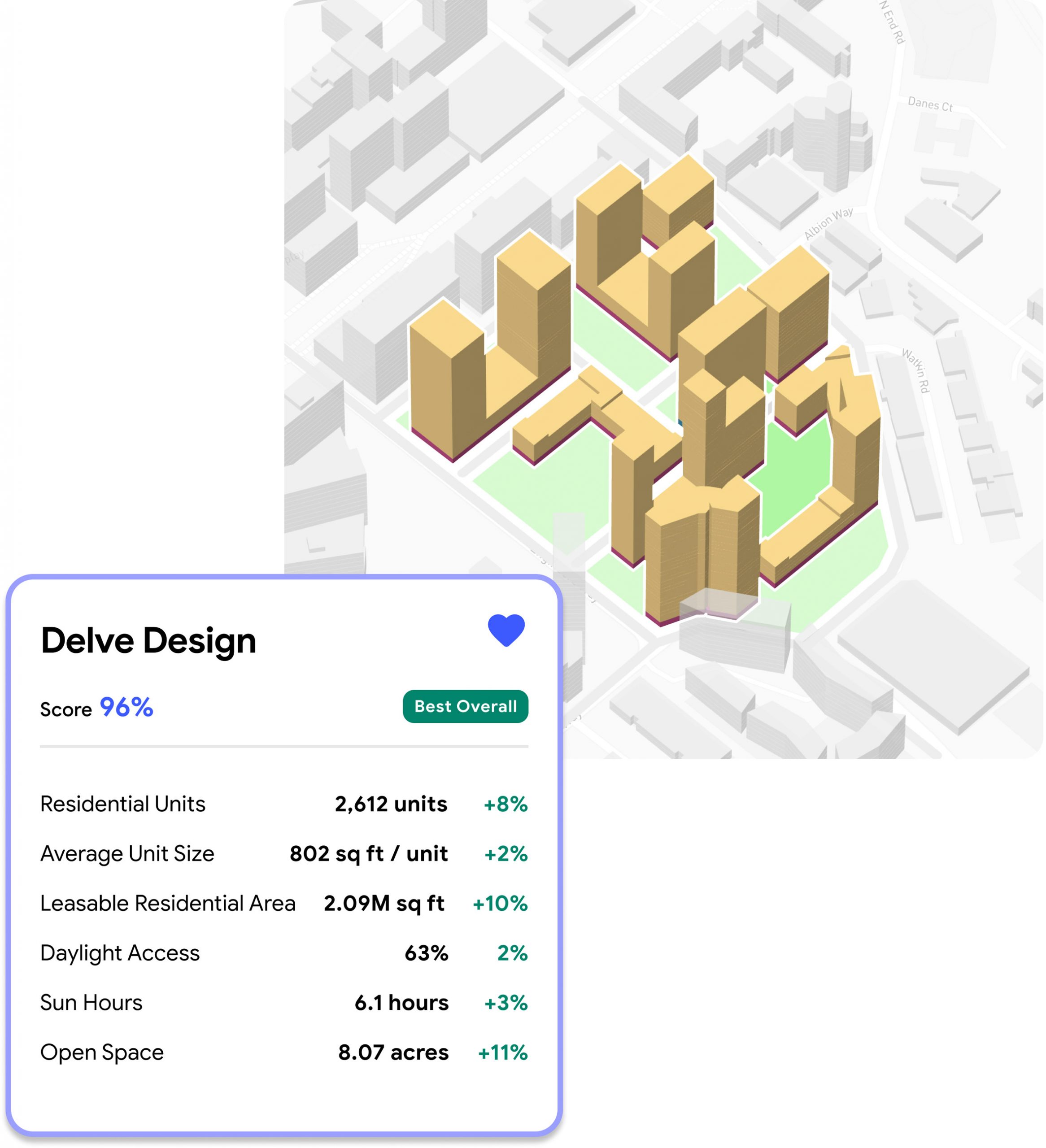
Benchmark vs Delve: quantified improvements across priority outcomes.
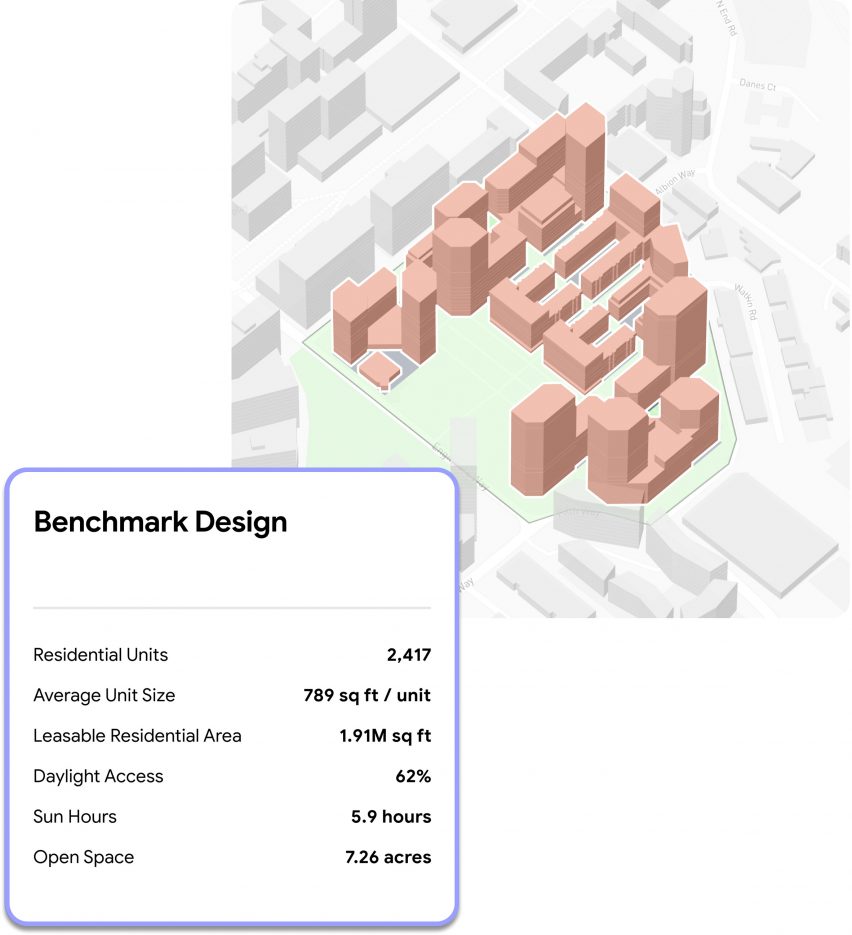
Benchmark design — baseline urban layout.
Optimized design — Delve output.
The Interaction: Restoring agency through Human-in-the-Loop AI.
I designed the system to be interpretable and steerable rather than an opaque black box. I built progressive interaction patterns that restored agency to the domain experts, allowing engineers and policymakers to seamlessly steer the massing, style, and spatial qualities of the output while the AI handled the underlying optimization.
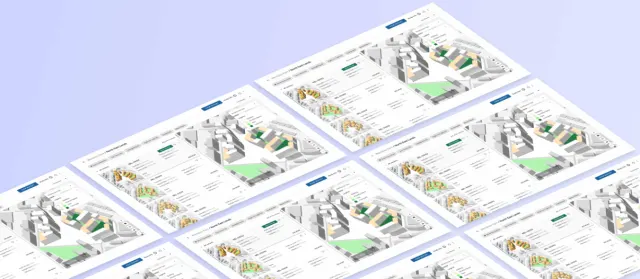
Grid of computational design iterations exploring massing alternatives.
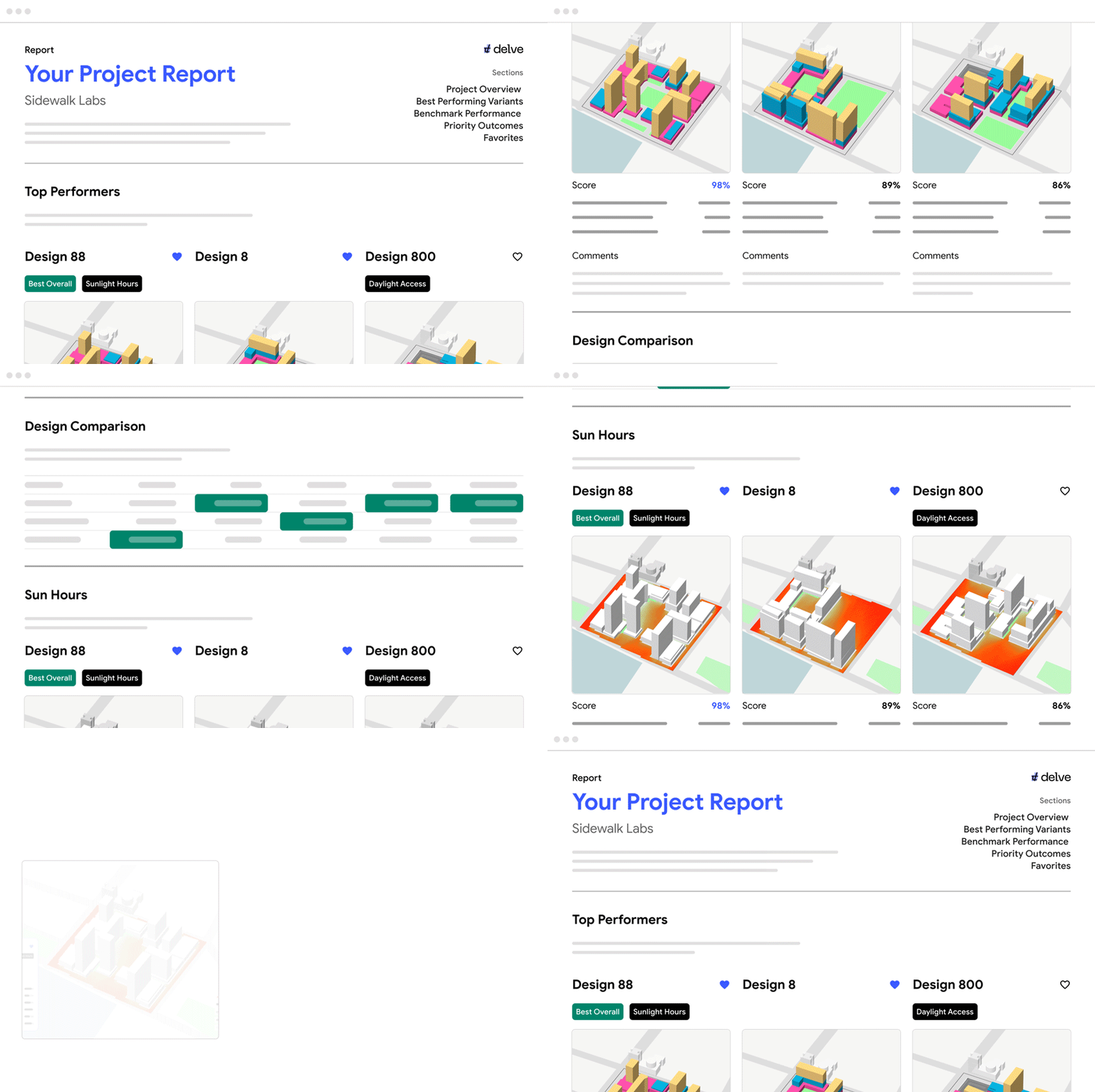
Human-in-the-loop generative design exploration.
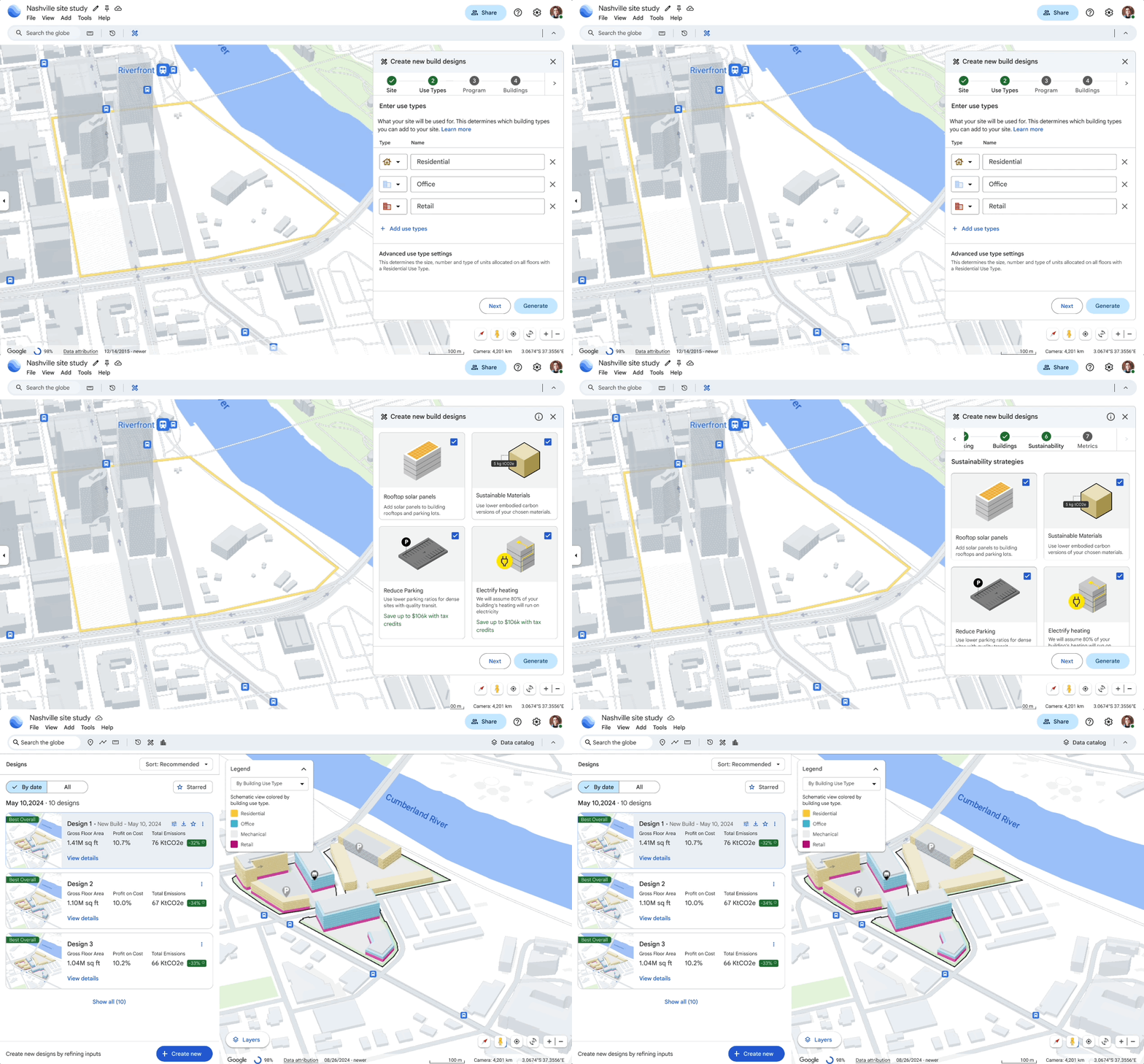
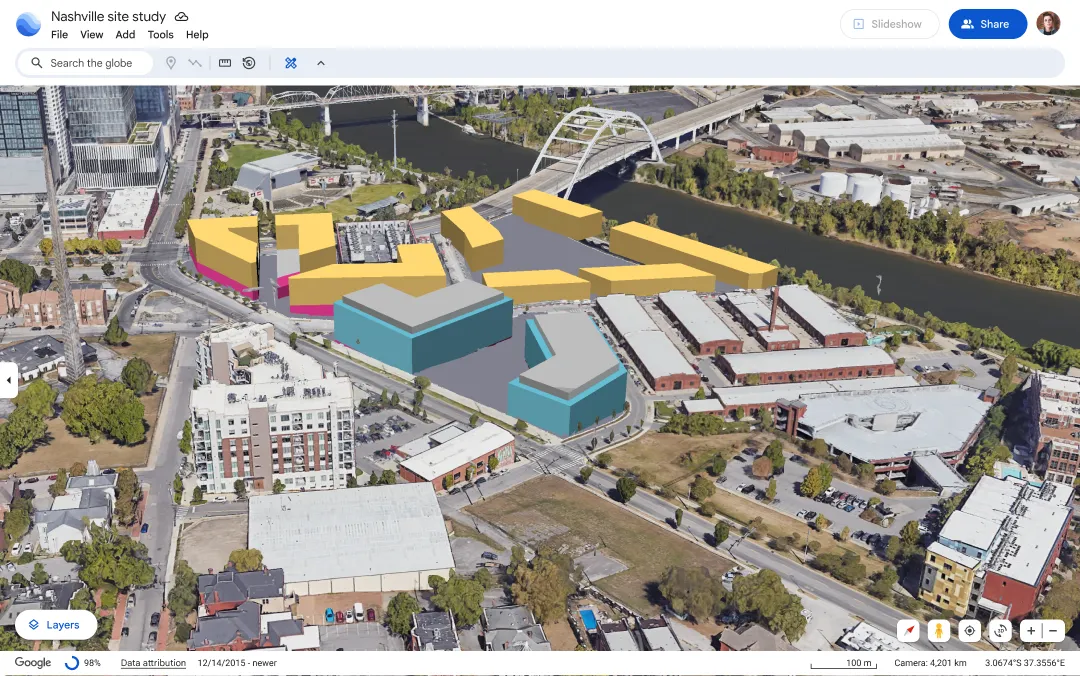
The Impact: Planetary scale via Google Earth.
The core generative engine and interaction paradigms proved effective, shipping as premium paid features. The technology was subsequently integrated into Google Earth, scaling these computational design capabilities to millions of users worldwide.