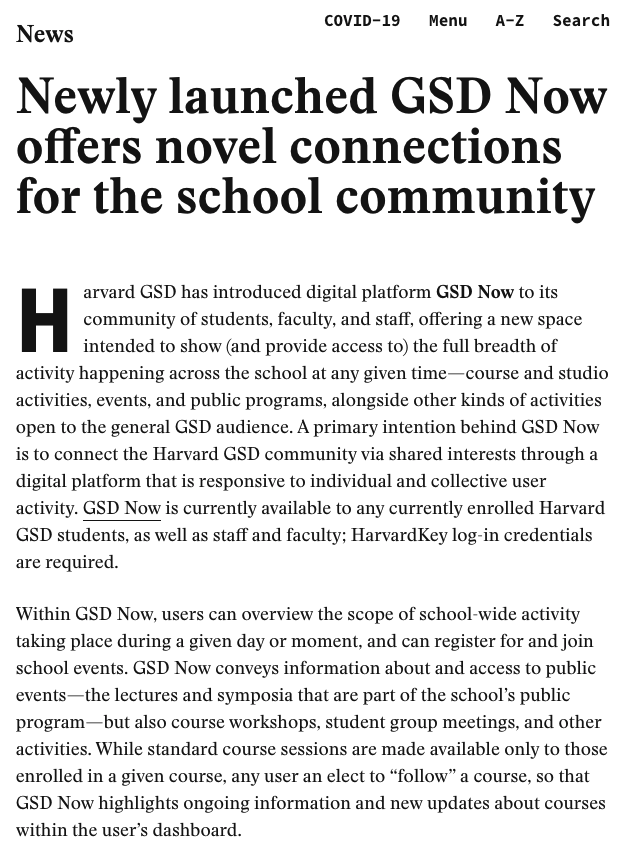
GSD-NOW: Virtual Learning Platform at Scale
Project Lead & Lead Designer
Jul 2020 – Feb 2021
Designed a virtual campus for 1,200+ global students during the remote transition. By engineering a spatial graph system, I made time consistent and space persistent, recreating the ambient awareness of the physical design studio across global timezones.
The Goal: A virtual space for gathering and social learning.
I designed a virtual platform to sustain the informal, social learning that defines the studio experience for 1,200+ students and faculty during Harvard's remote transition.
The Problem: The loss of the open studio.
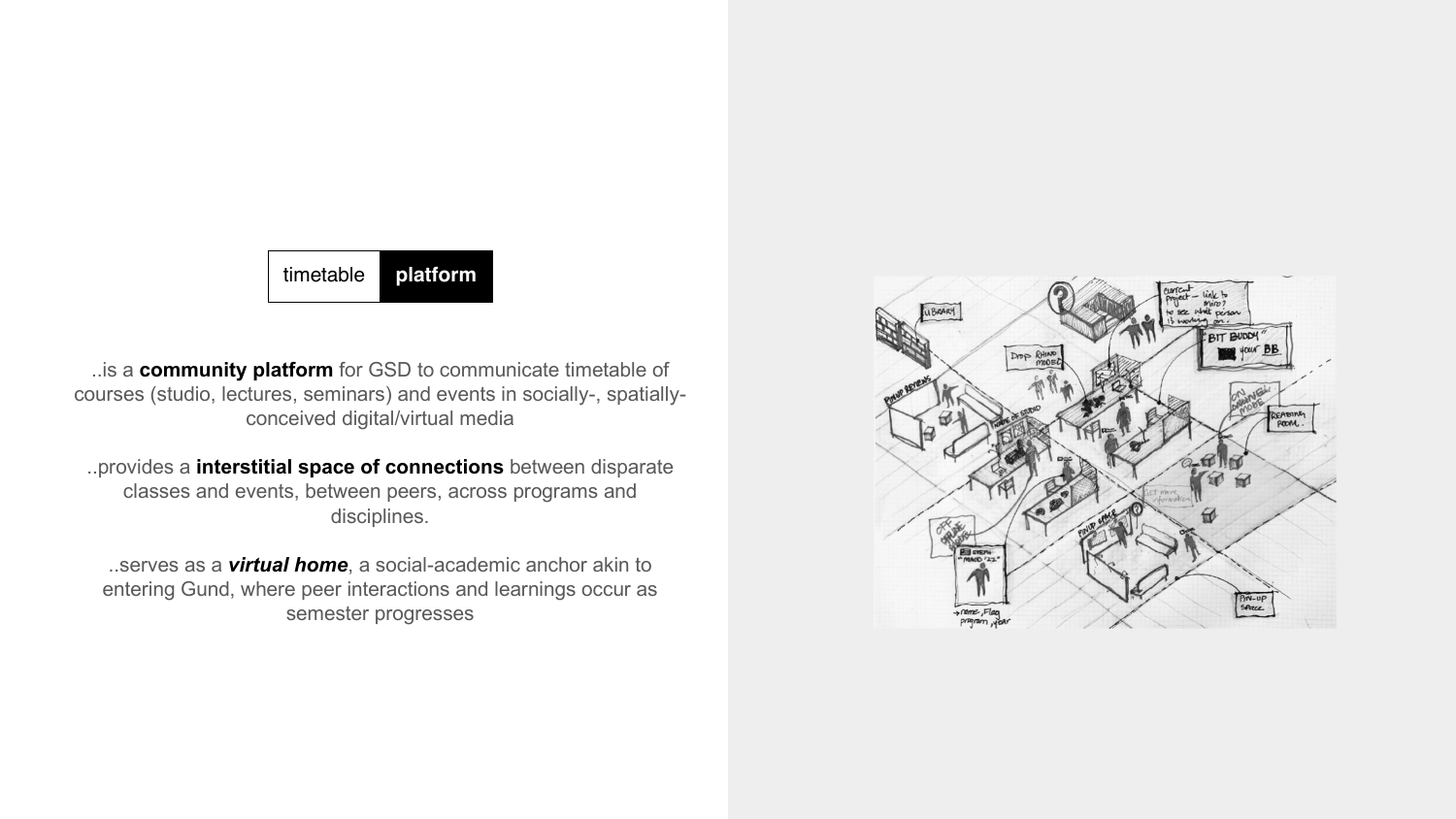
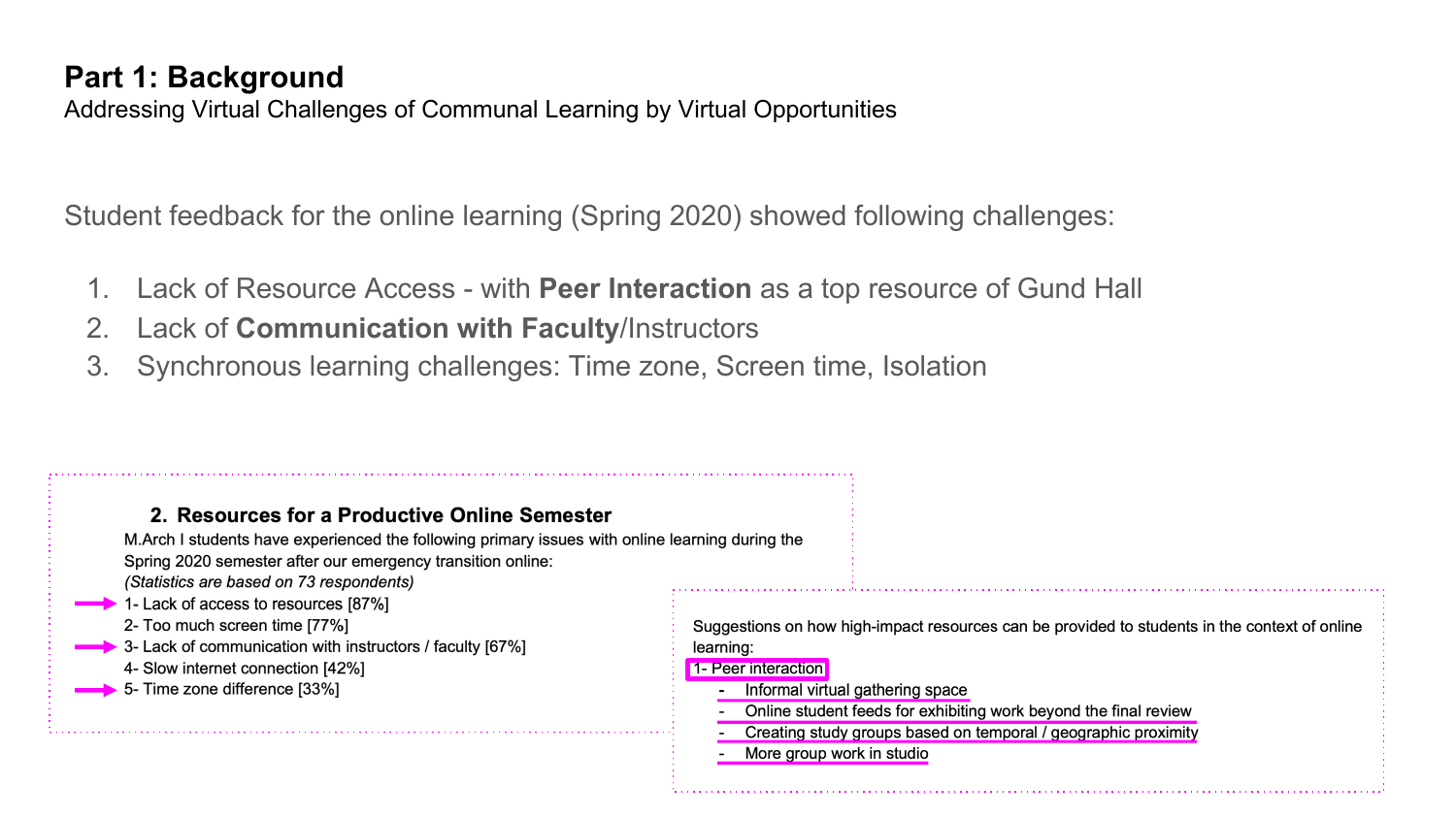
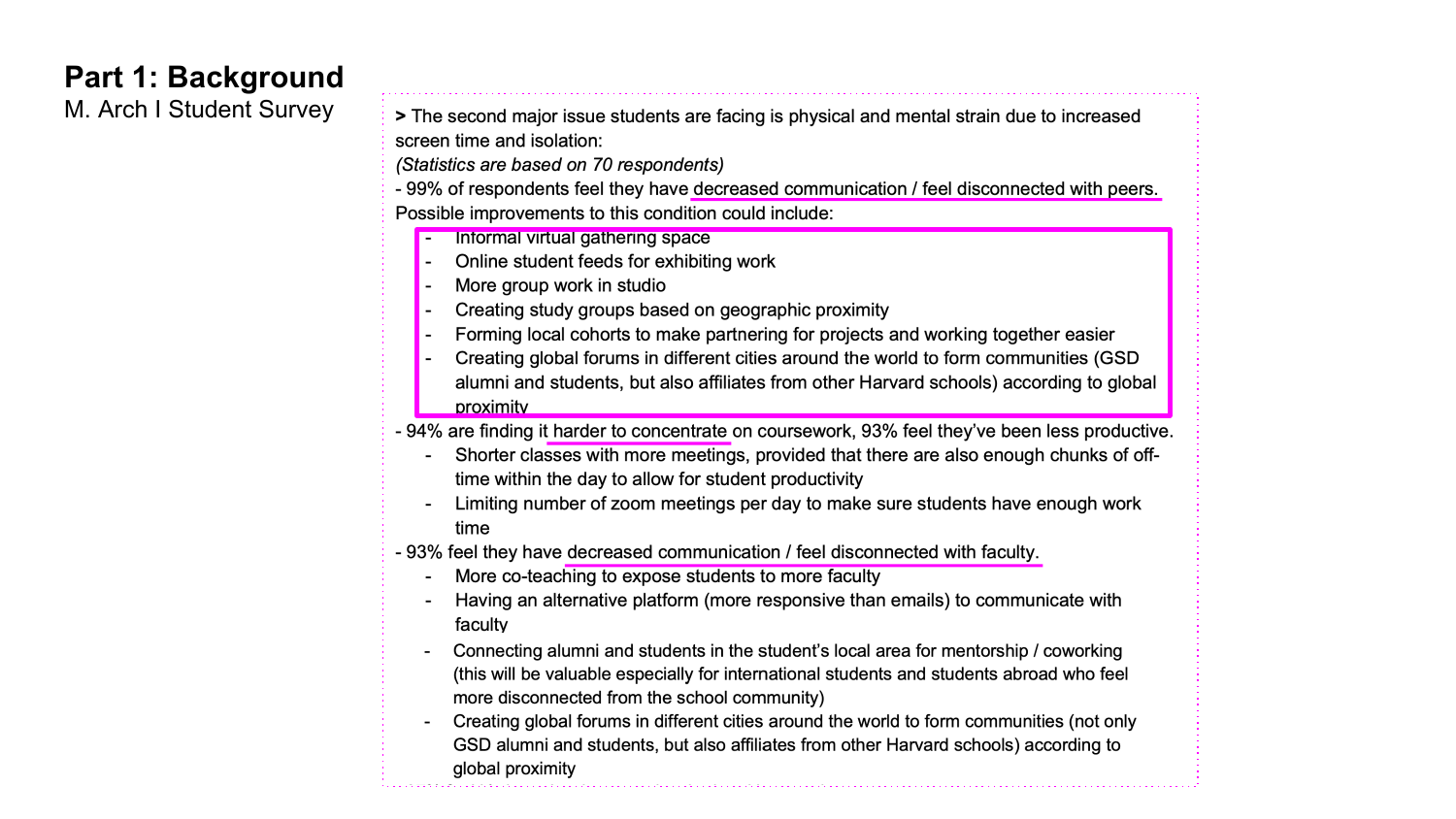
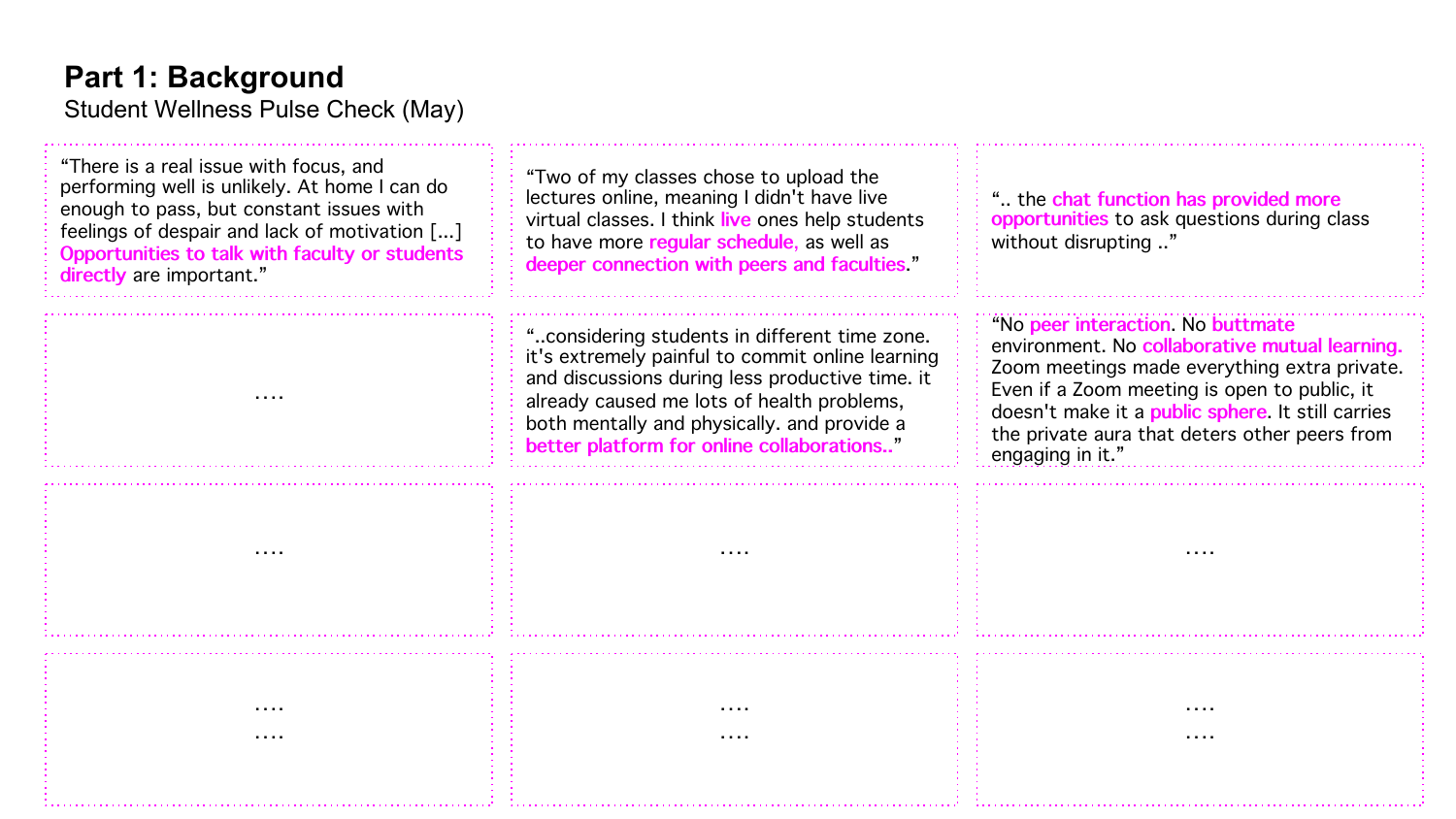
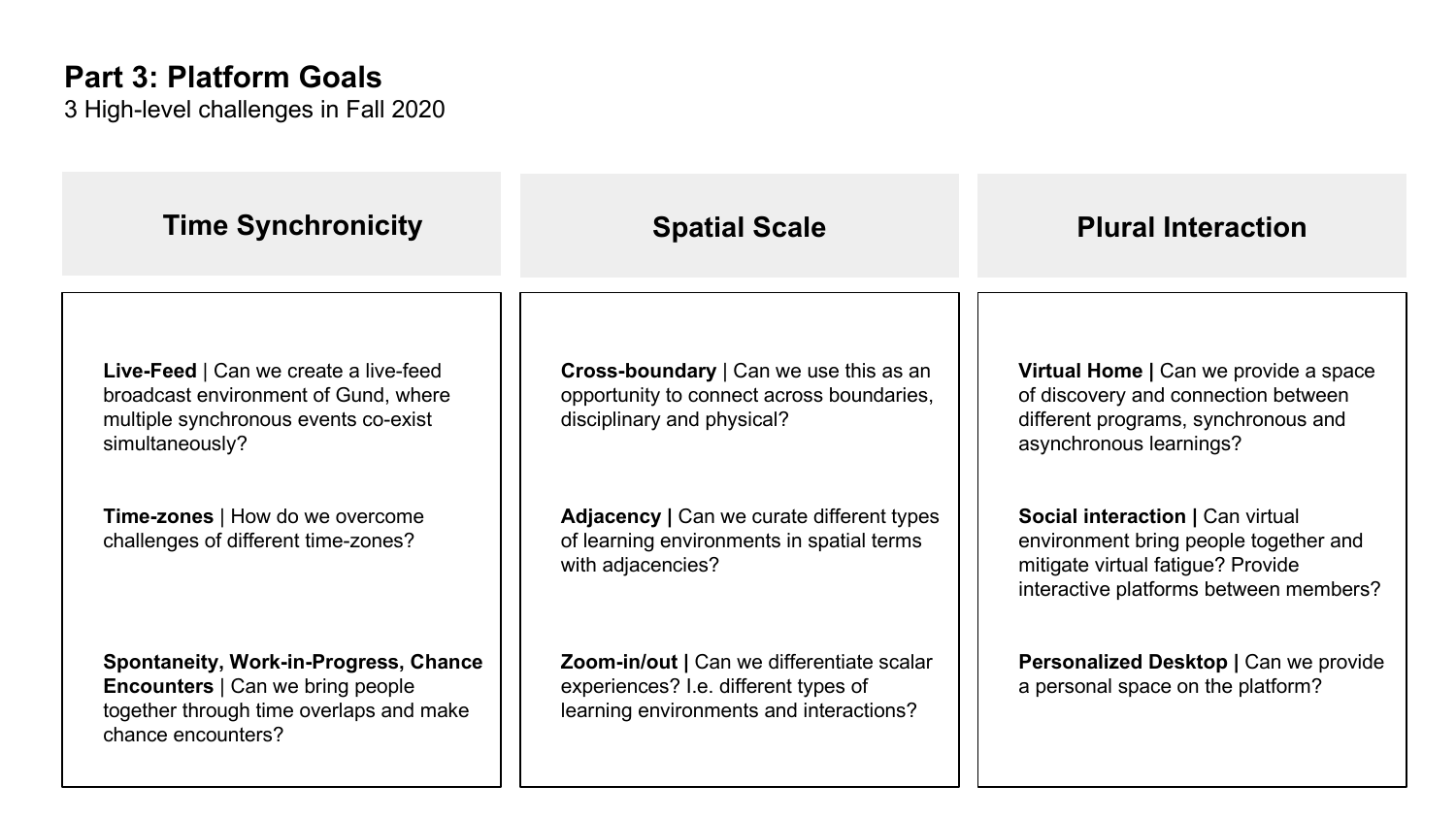
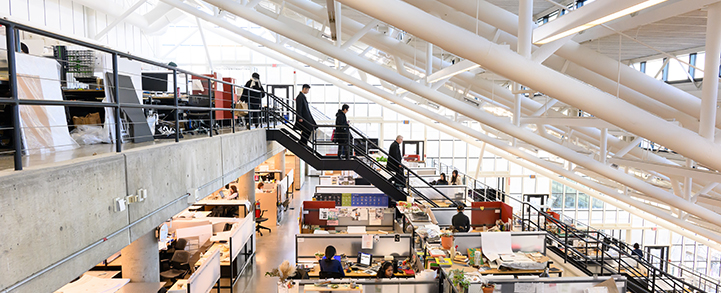
Gund Hall is famous for its open-plan, tiered studio space—an architecture that inherently fosters ambient awareness, chance encounters, and cross-disciplinary learning. Without a physical studio, informal learning was lost to fragmented, disconnected links. Compounding this was a globally distributed student body; we needed a system that could synchronize extreme timezone differences so students felt they were occupying the same virtual building at the same time.
The Logic: Mapping a virtual social graph.
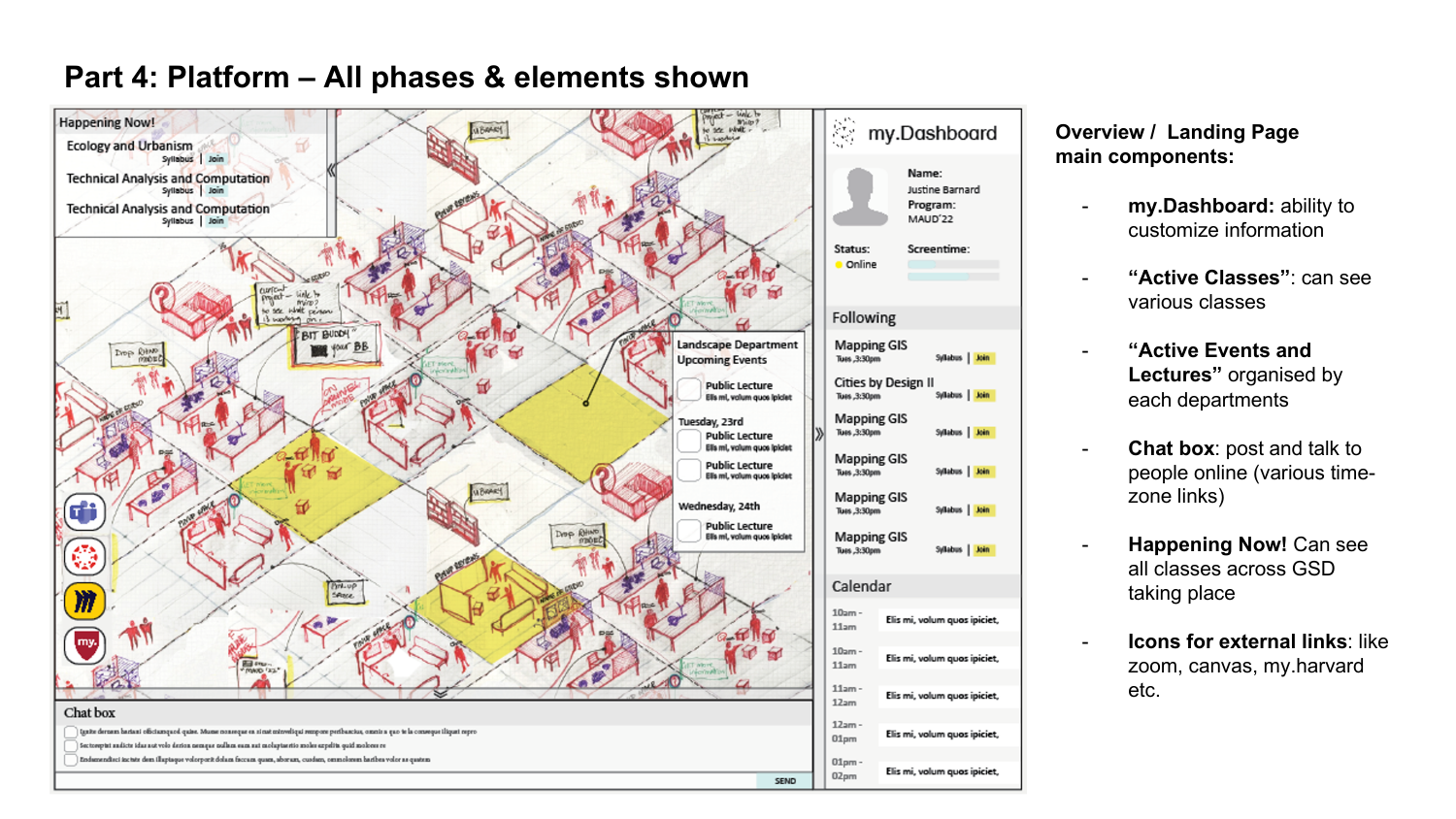
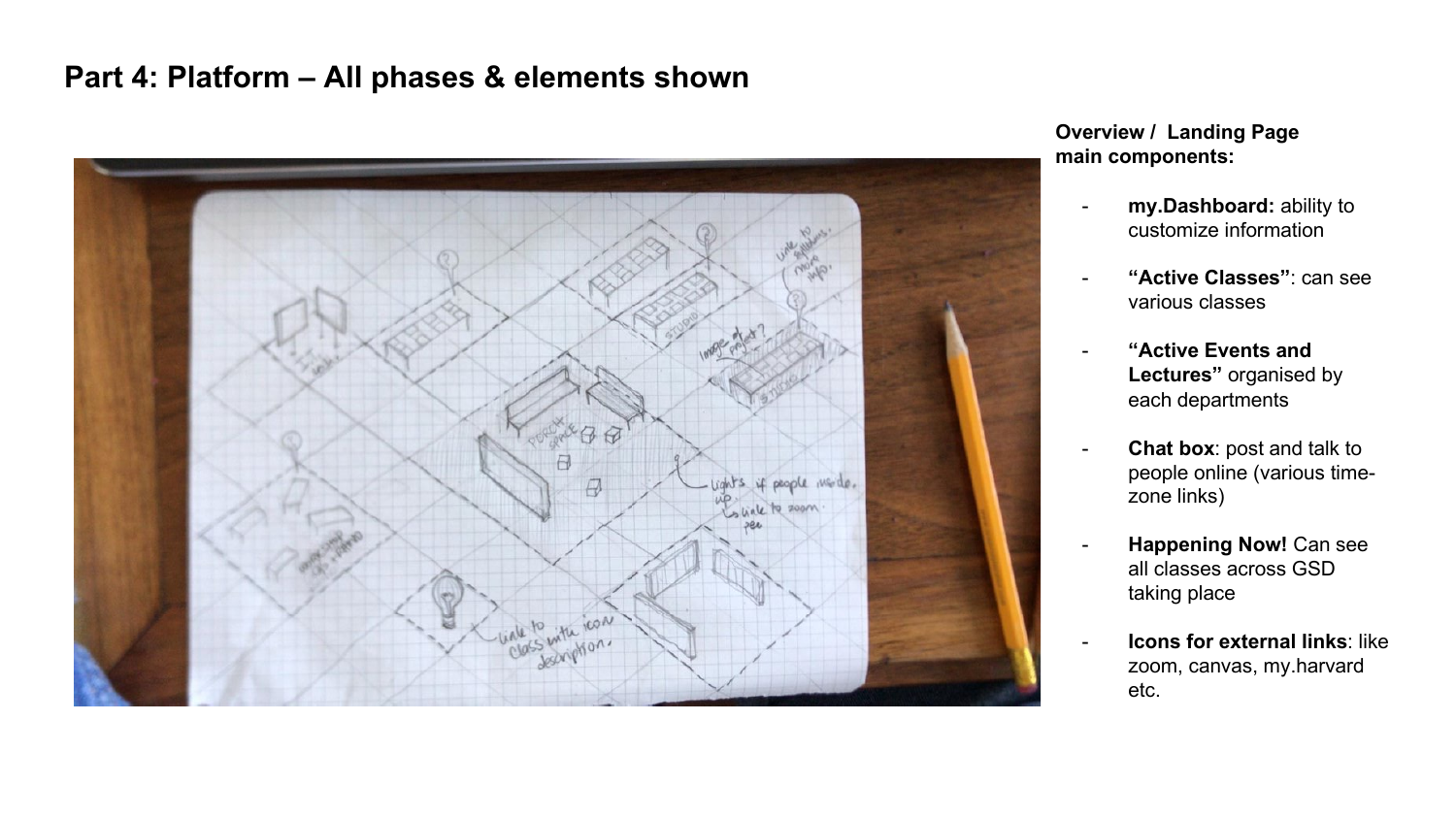
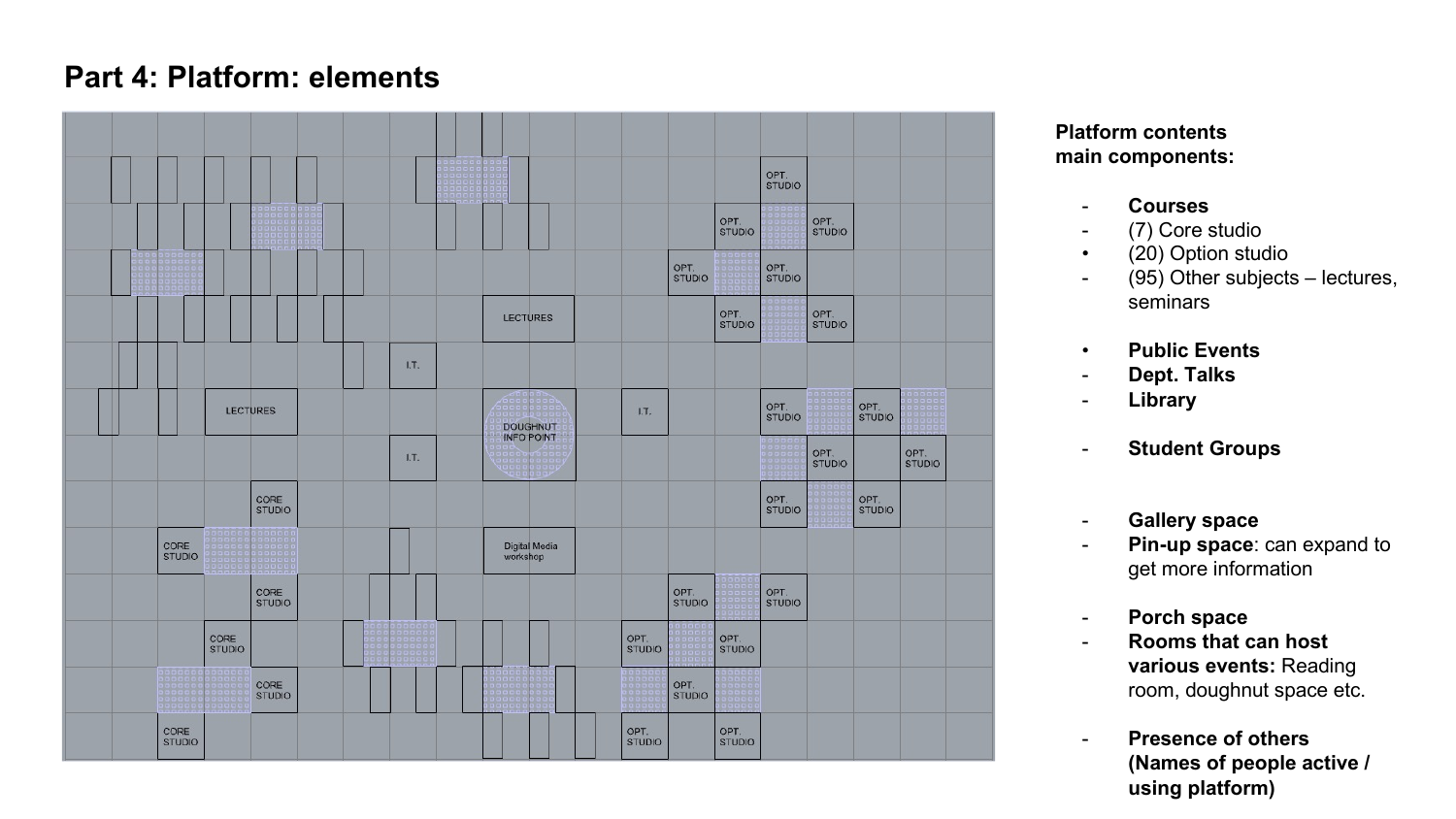
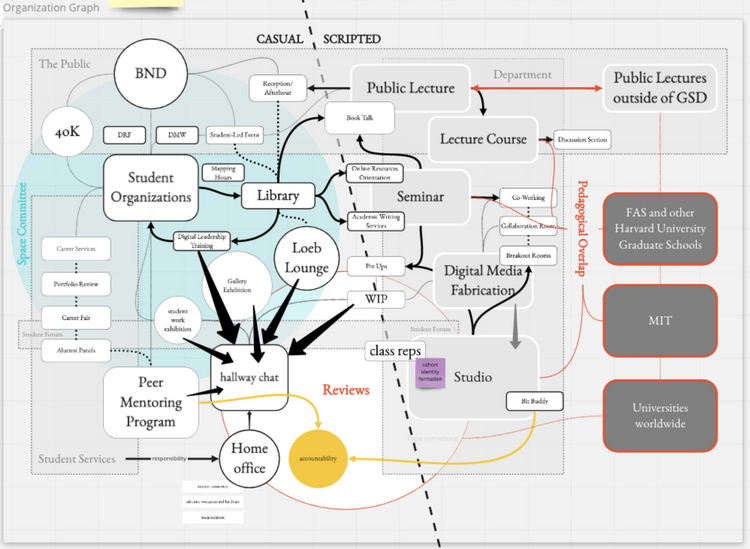
The architectural challenge was recreating a sense of discovery and belonging. I architected a system logic that virtually mapped the school, creating a complex graph of physical locations and departments. This required modeling how these entities are represented digitally, how databases sync, and how information and social presence actually travel through the community.
The Interaction: Designing for ambient awareness.
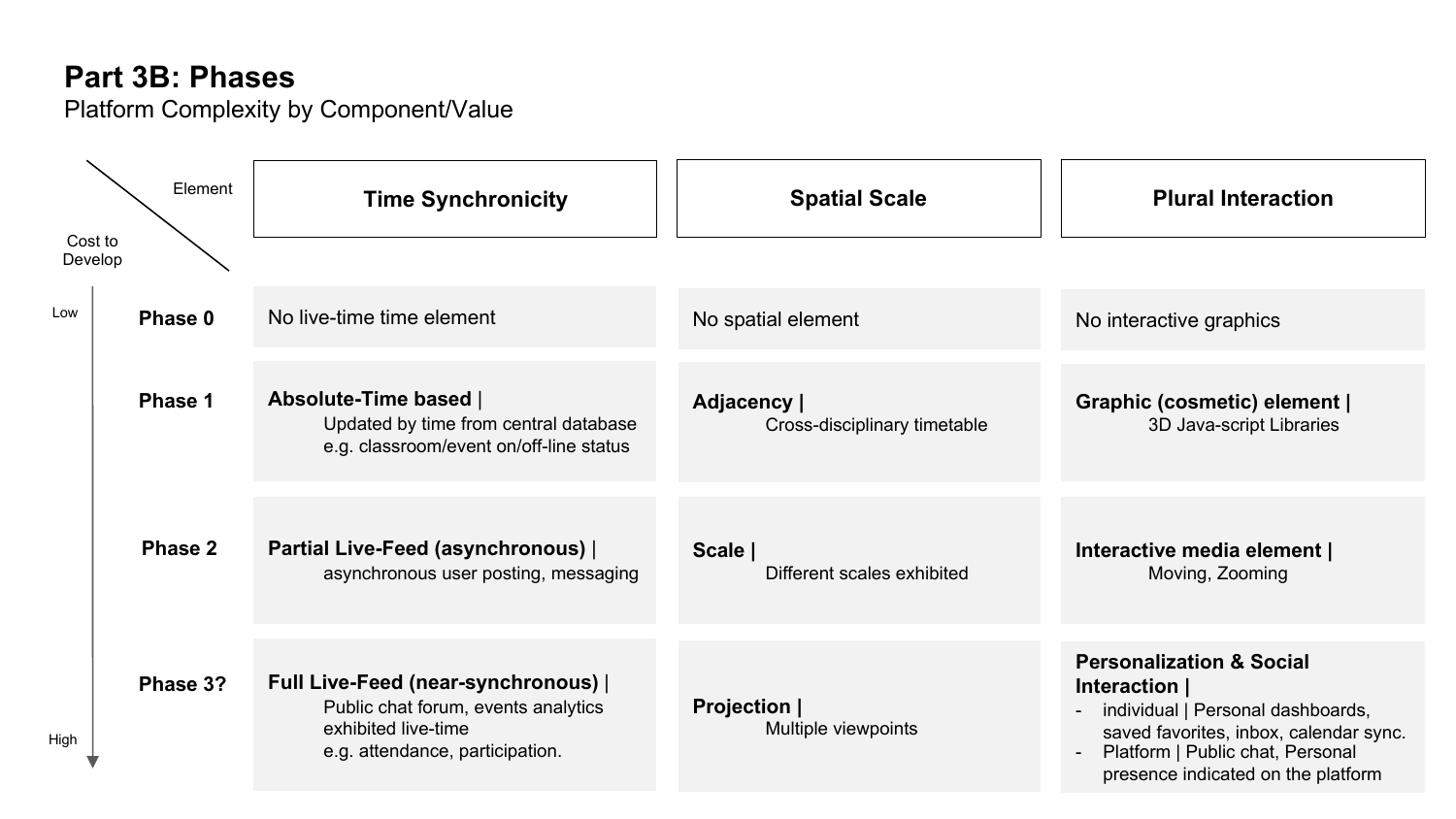
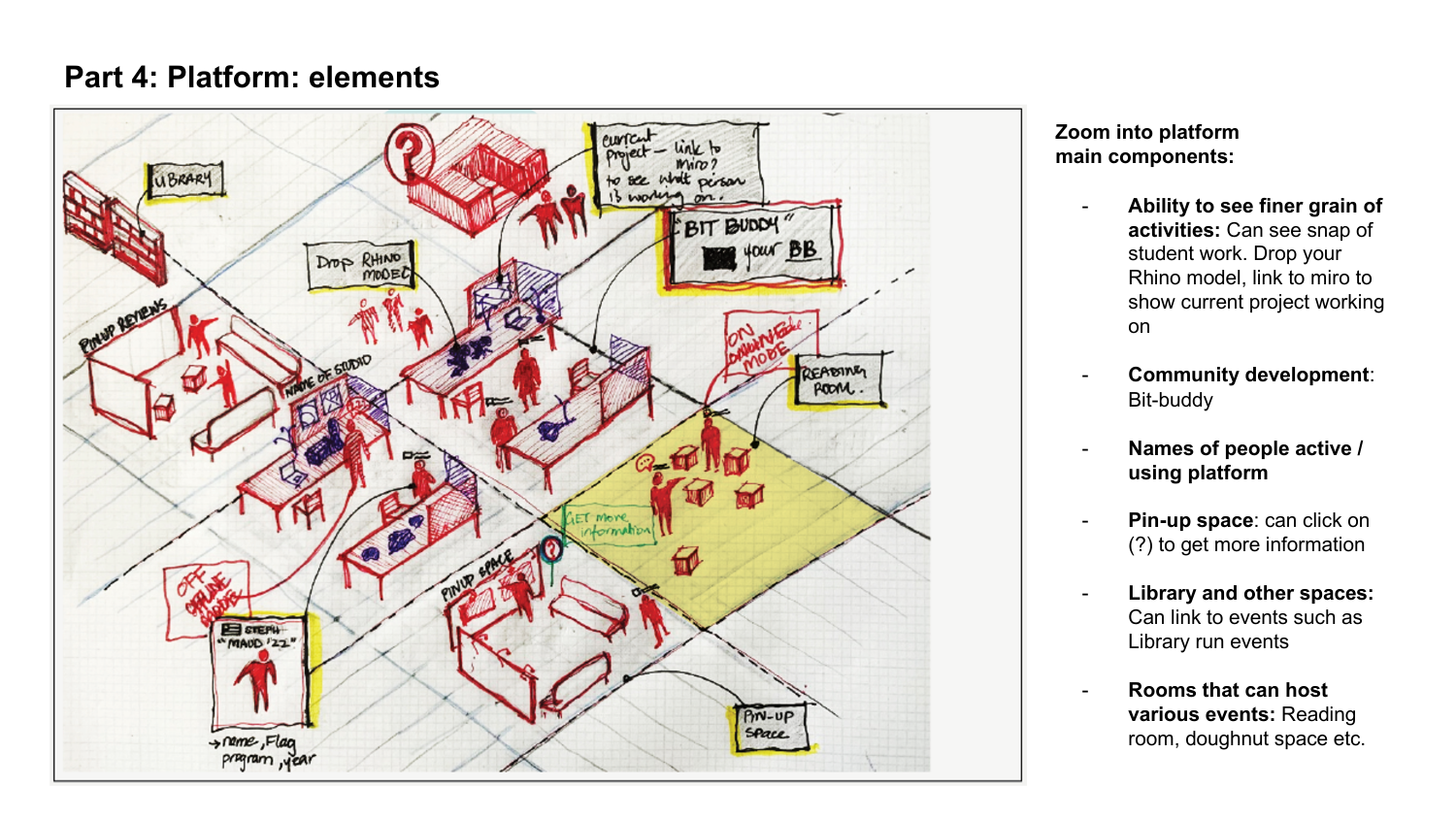
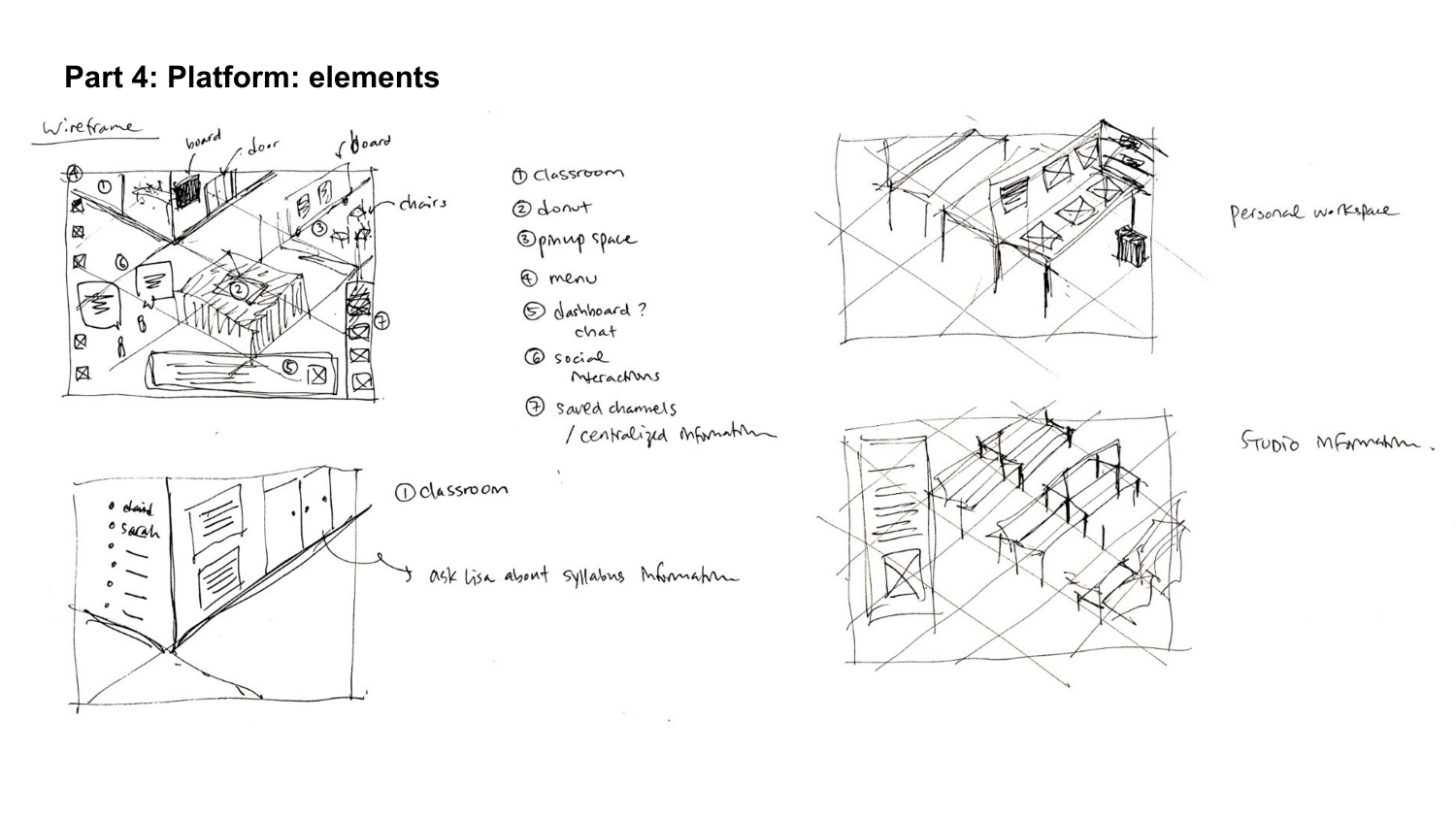
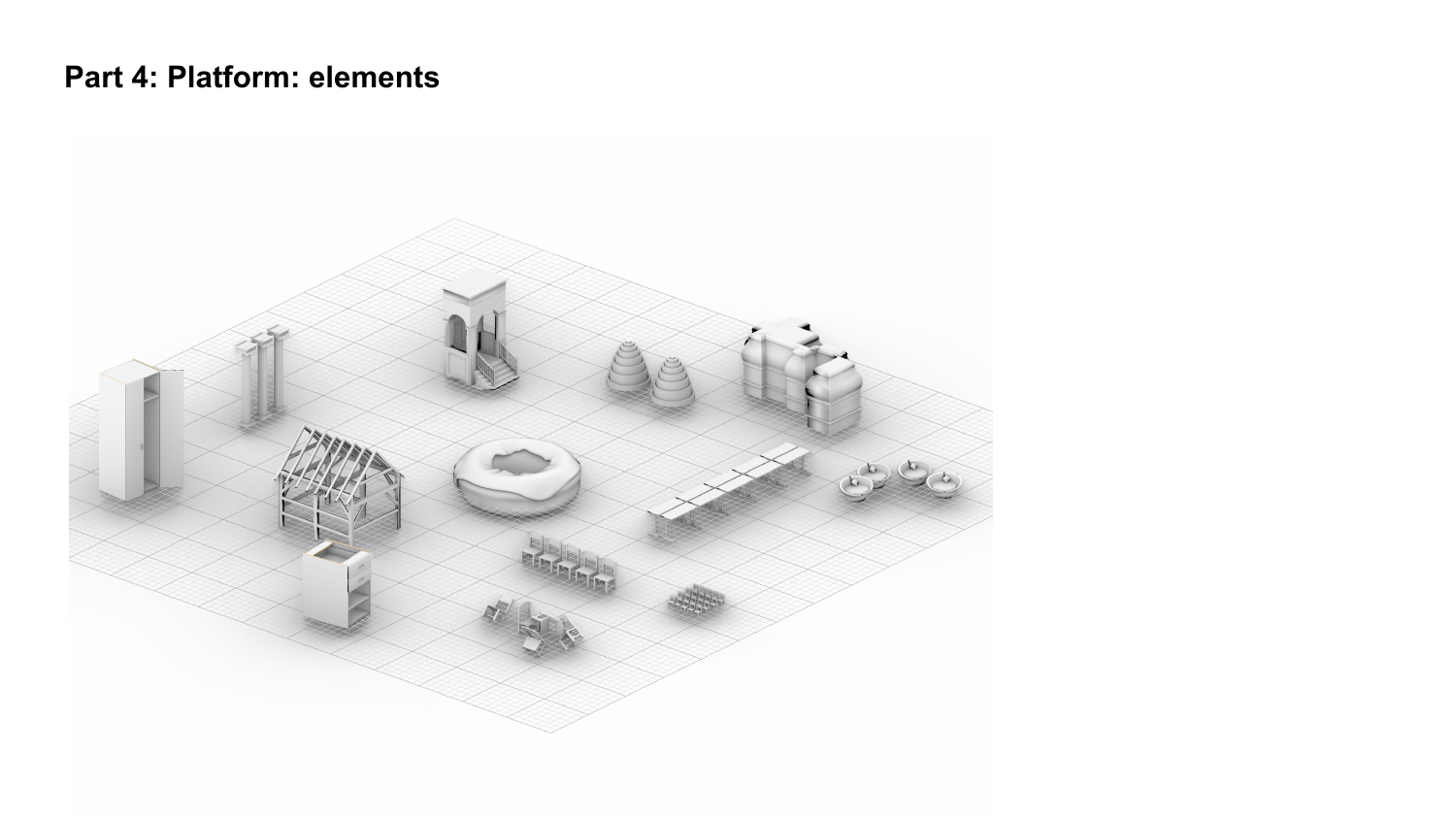
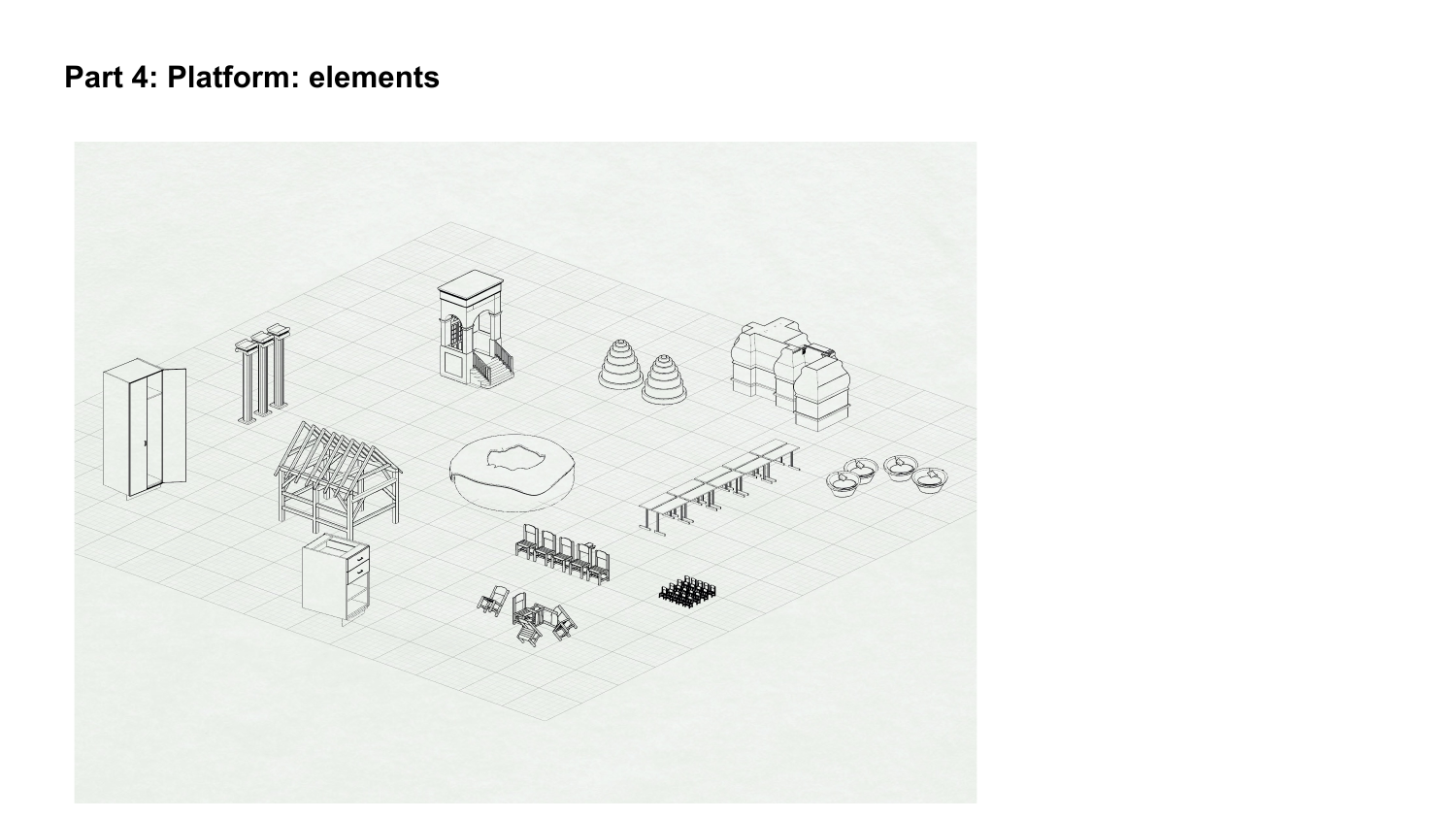
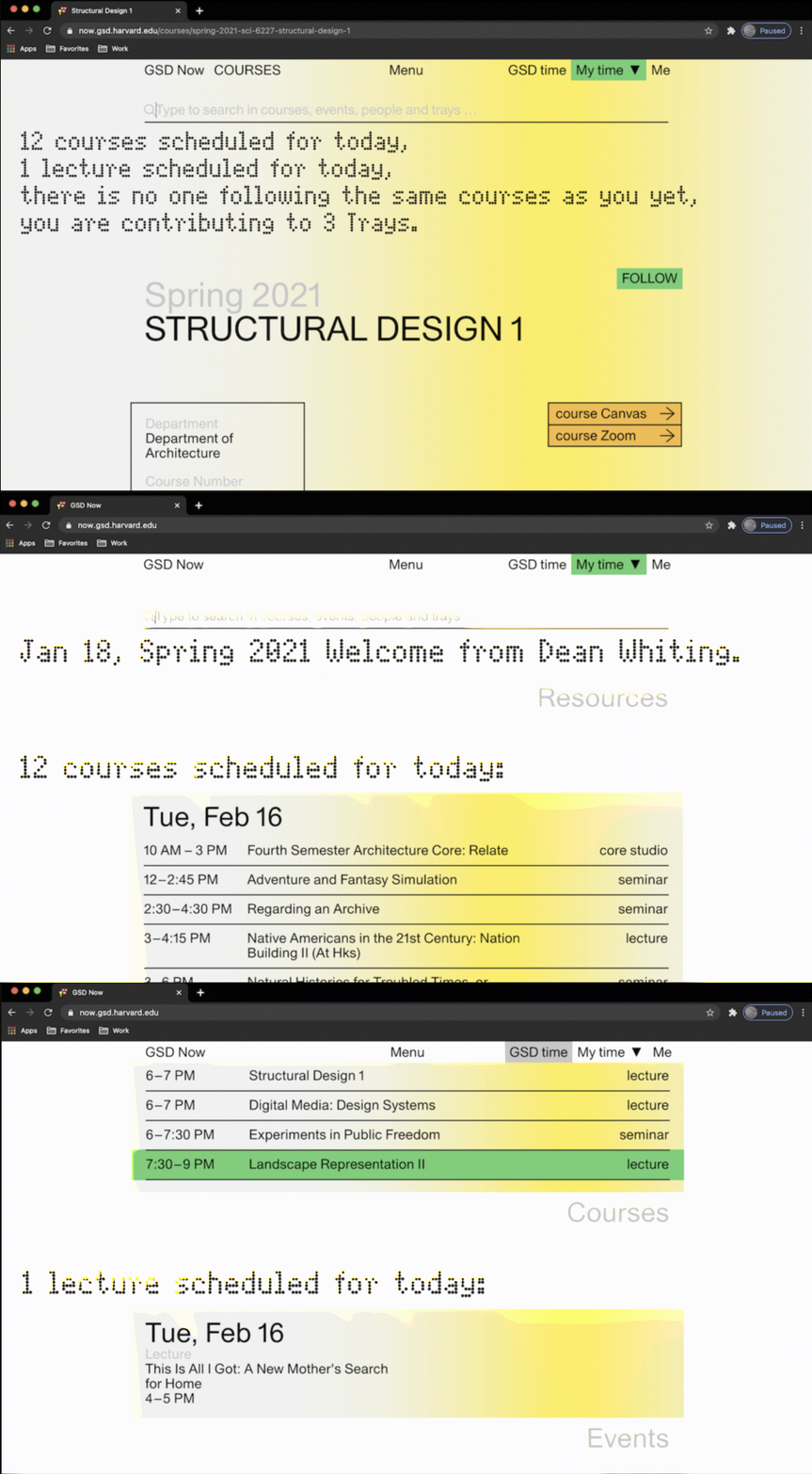
Rather than building a static directory, I designed an interface that translated this social graph into a living system. By mapping live activity and visualizing where the community was actively gathering, the platform made a highly complex, 1,000-person schedule feel like an intuitive, shared spatial experience.

The Result: The main source of truth.
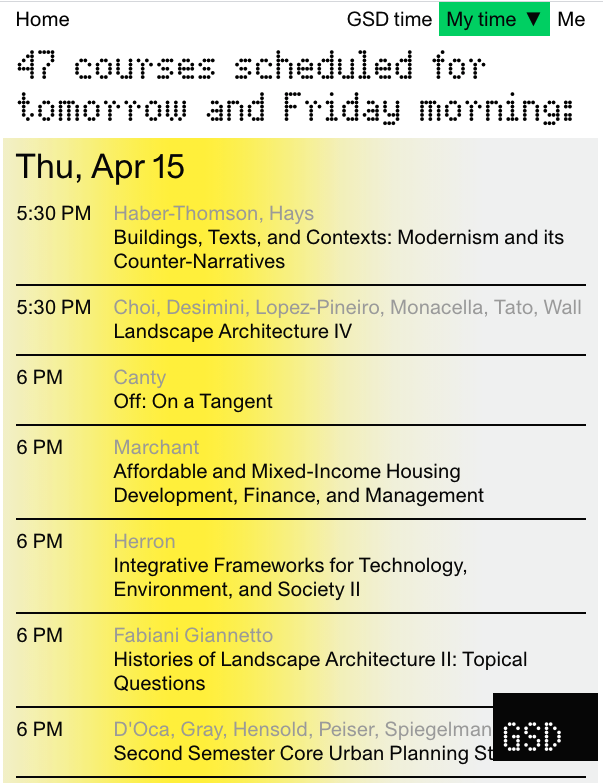
Central Harvard IT adopted the platform, and it lived on well beyond the remote year as the main source of truth for internal "goings-on" across the school.