AI + Neural Networks: Scaffolding Technical Agency
Lead Instructor & Curriculum Architect · Python · PyTorch
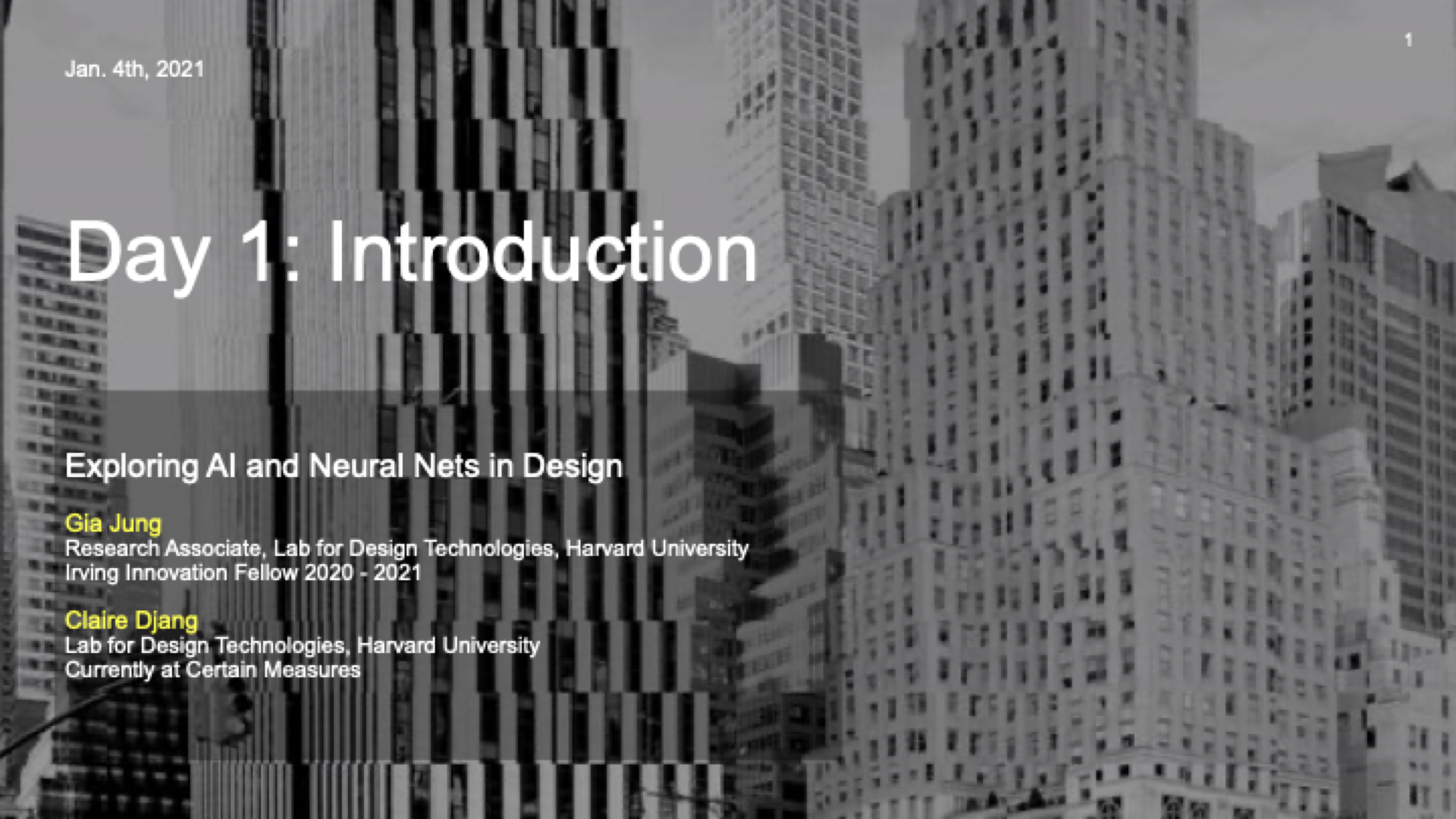
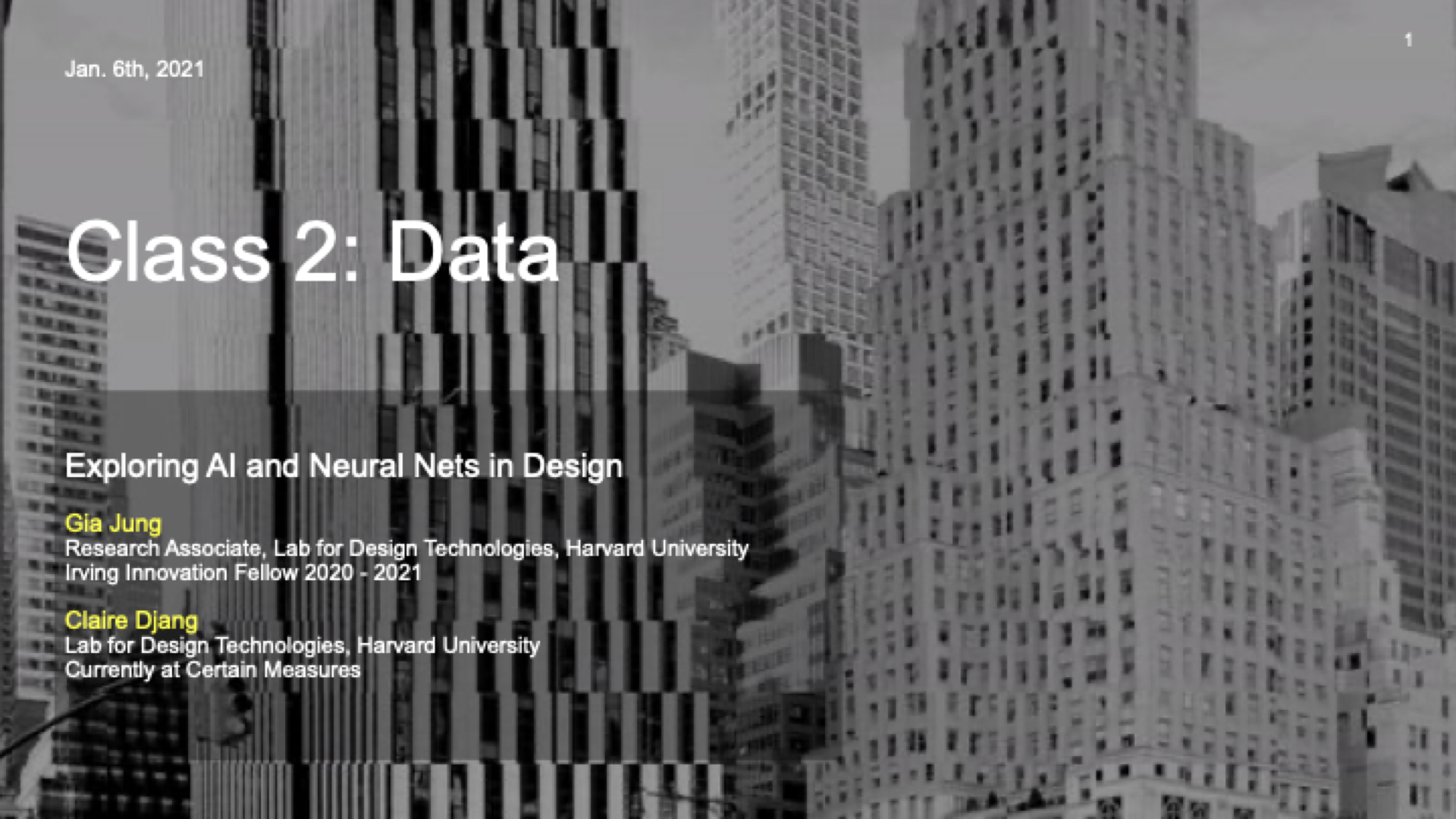
Winter 2021 · Harvard GSD
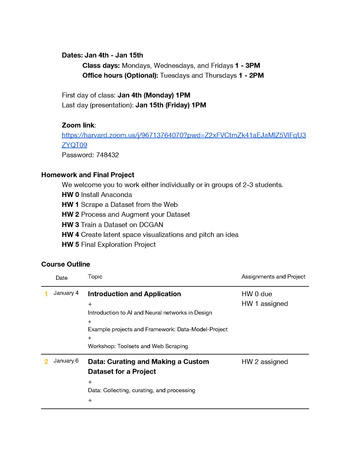
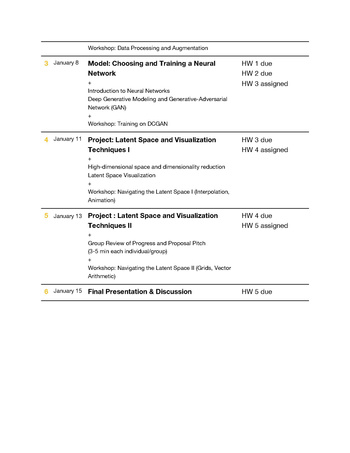
I architected an intensive curriculum that provided cross-disciplinary students the technical scaffolding to independently train and deploy bespoke Generative Adversarial Networks (GANs).
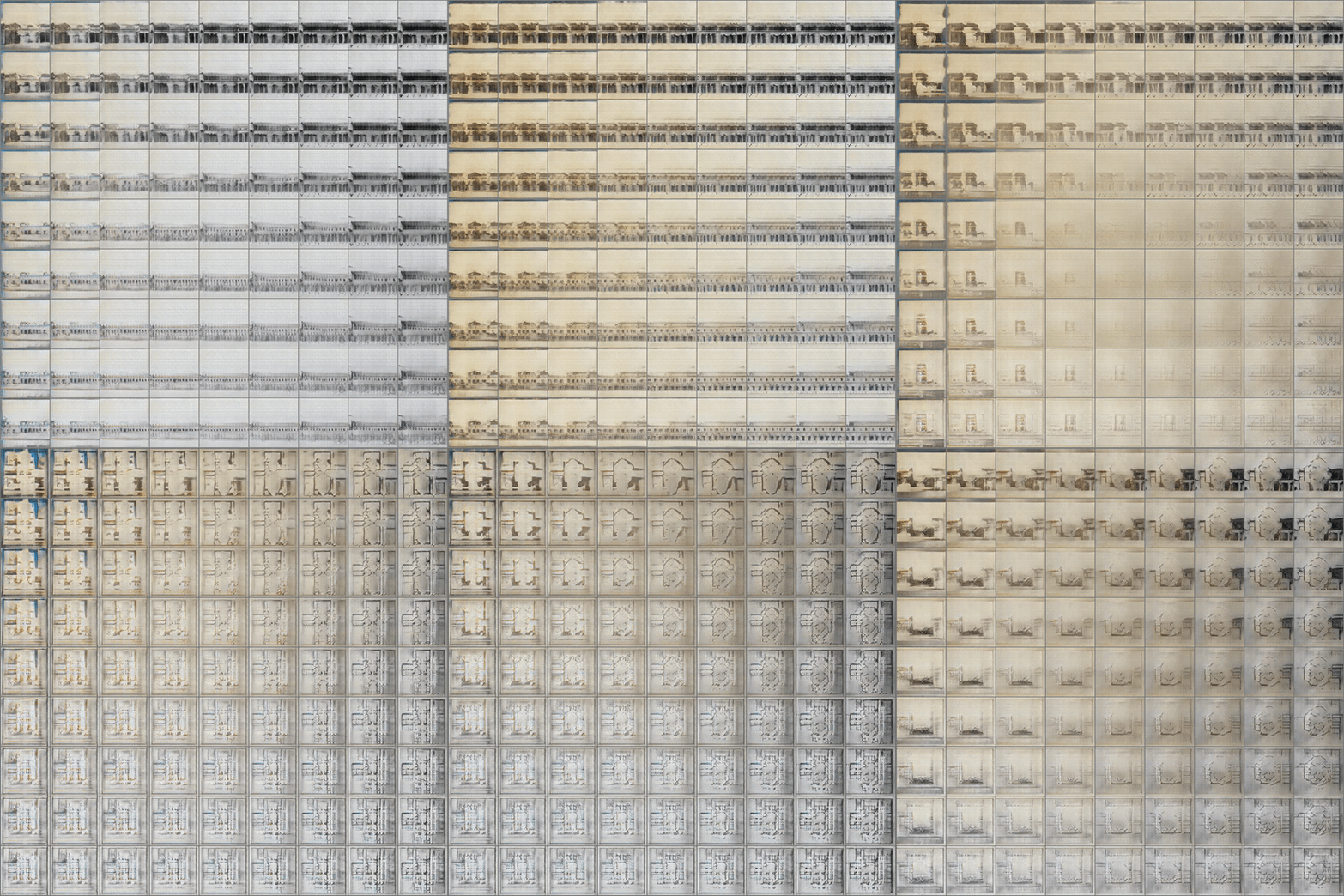
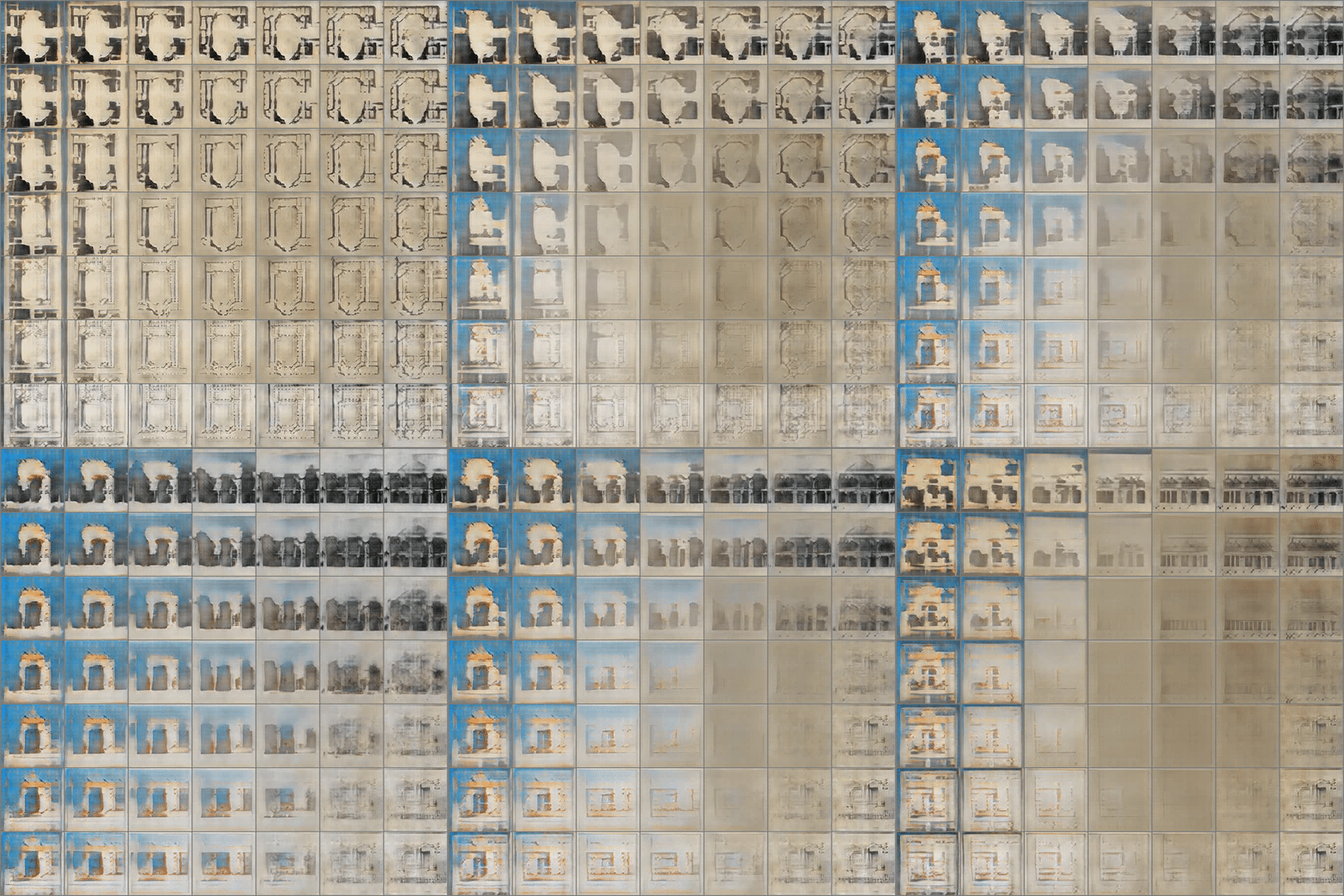
The Pedagogy: Demystifying the Black Box.
The curriculum bypassed high-level UI abstractions to focus directly on the structural logic of machine learning. The goal was to shift students from being passive consumers of generative tools to active system builders who understand dataset distribution, architecture calibration, and loss function evaluation.
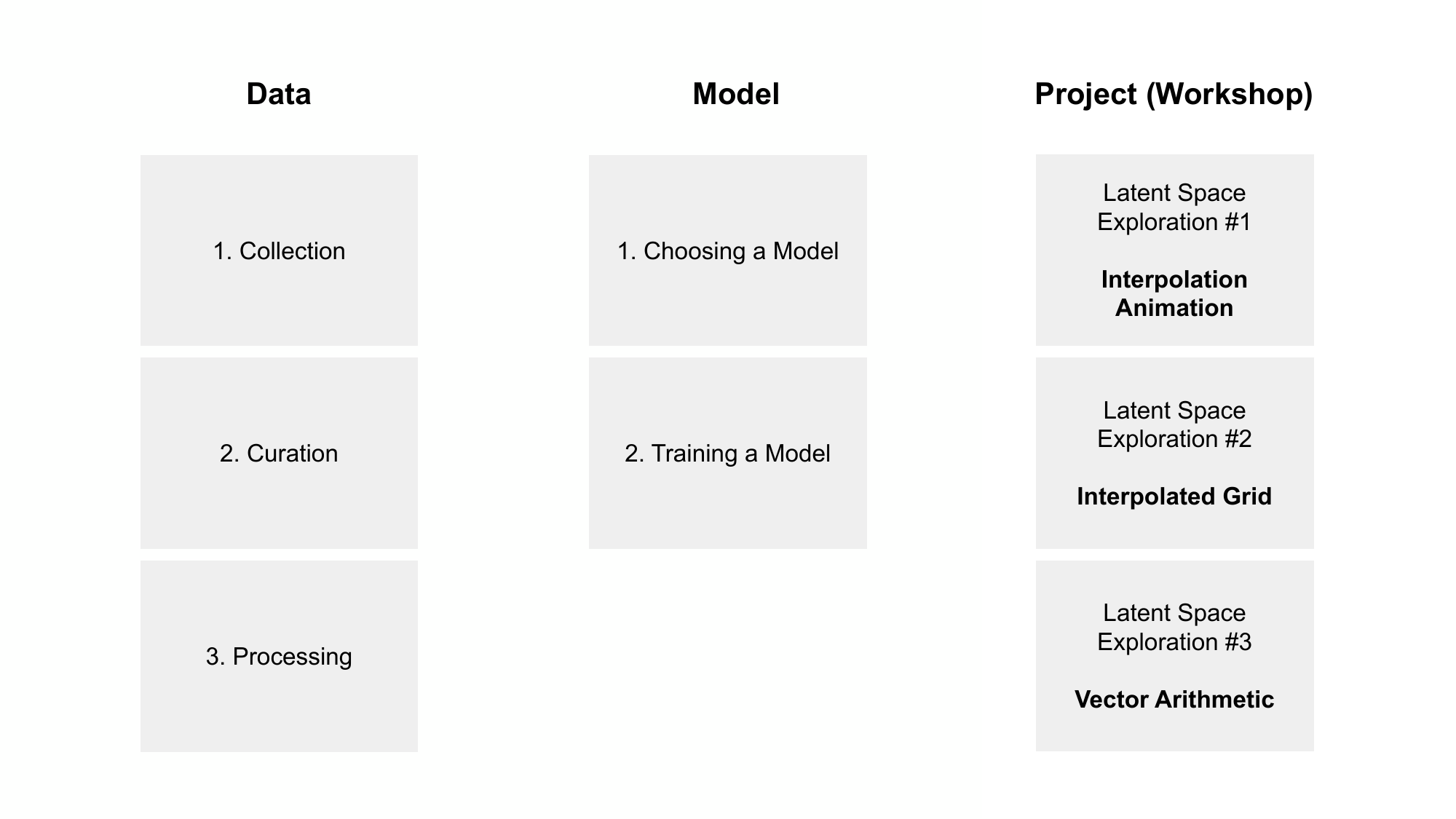
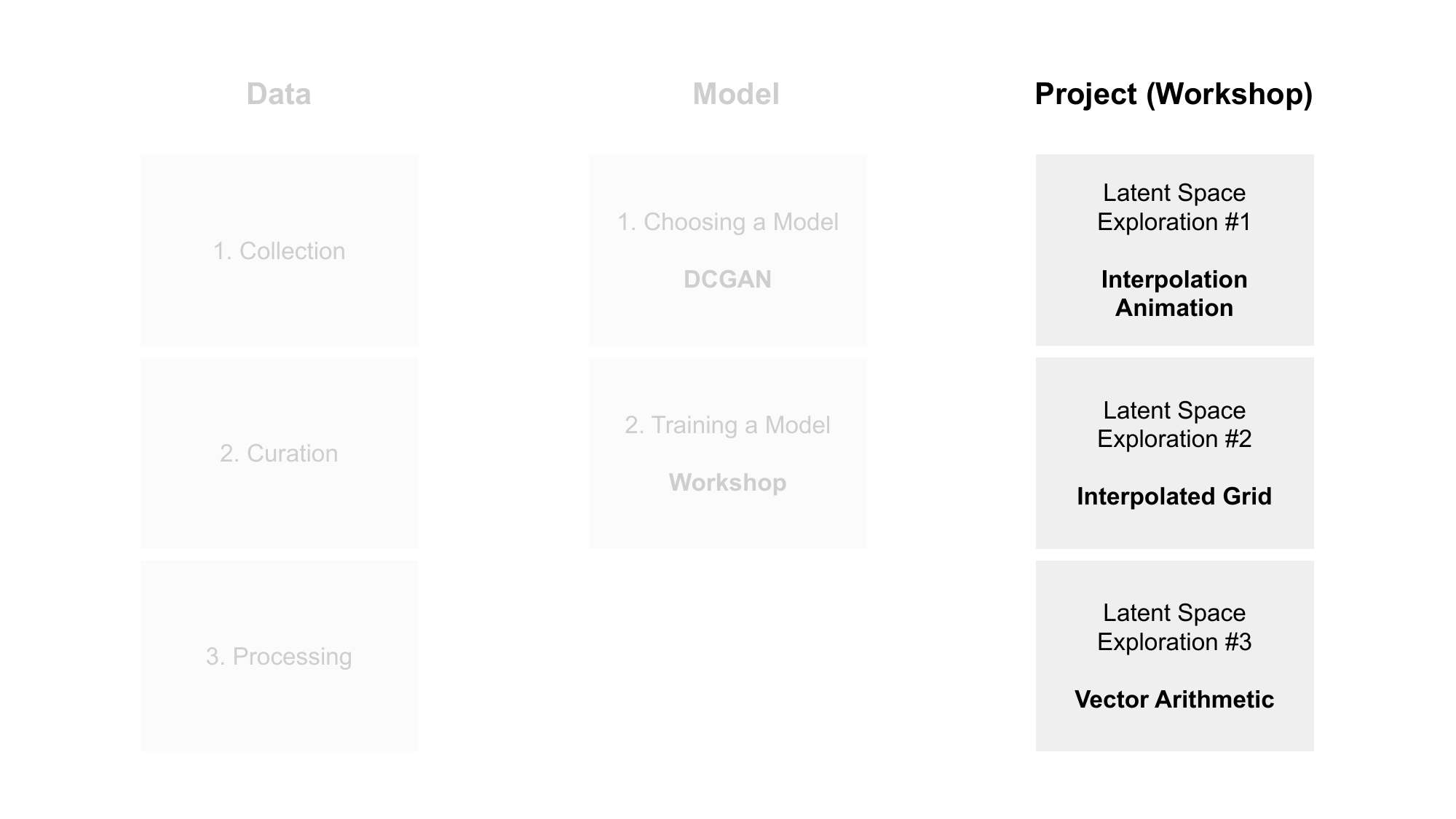
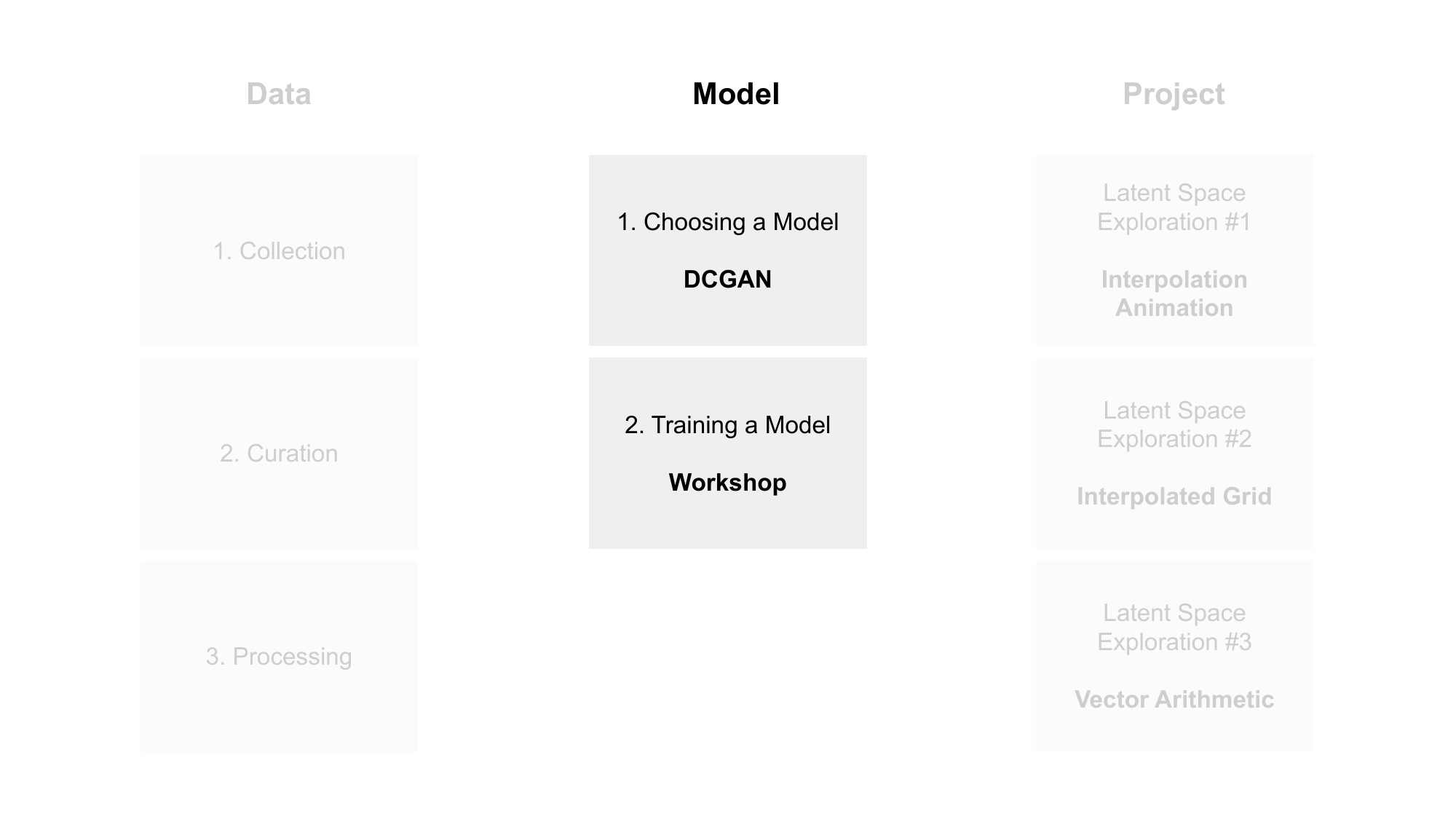
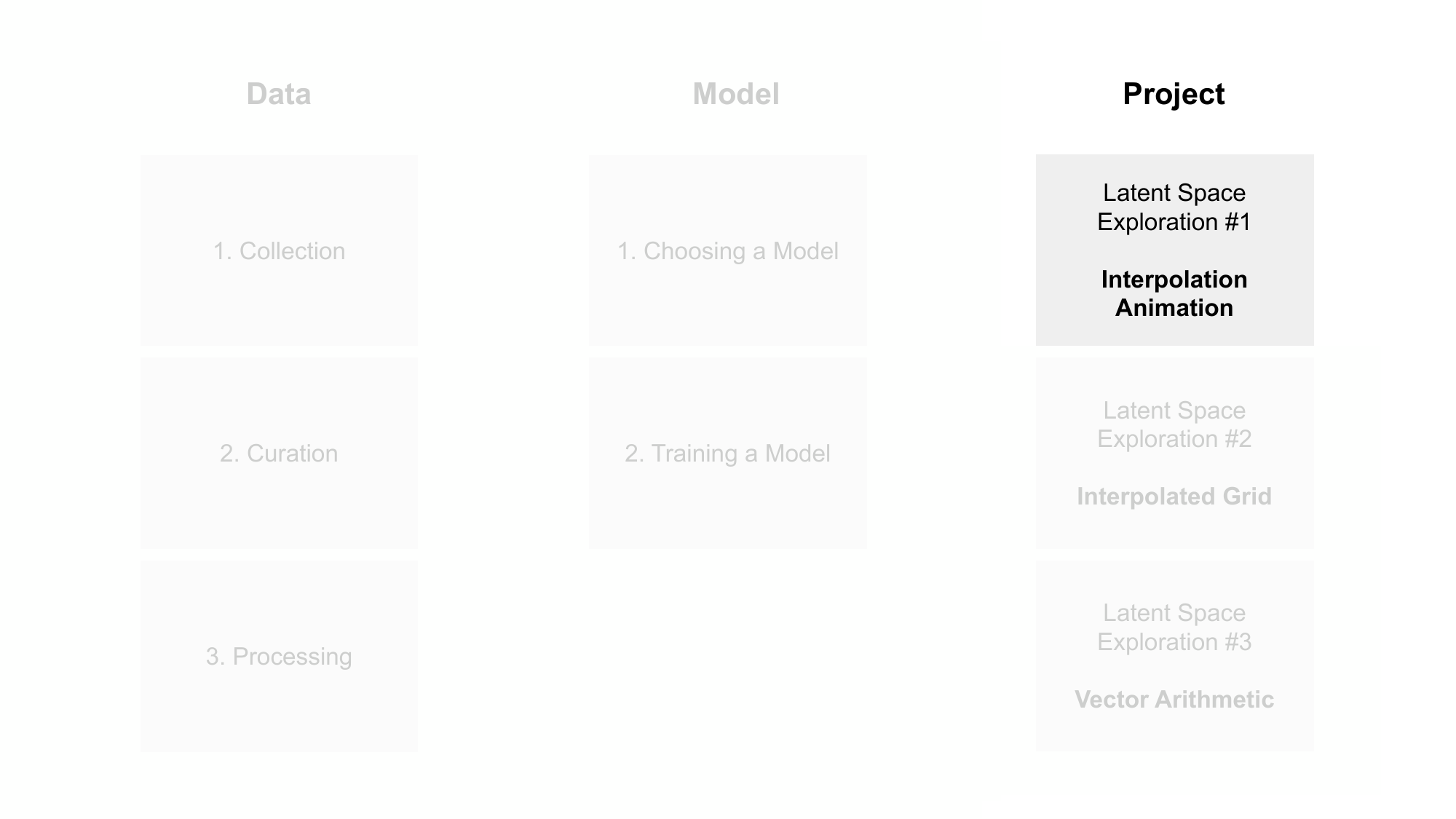
Fig. 02 — Teaching Framework: Data–Model–Project
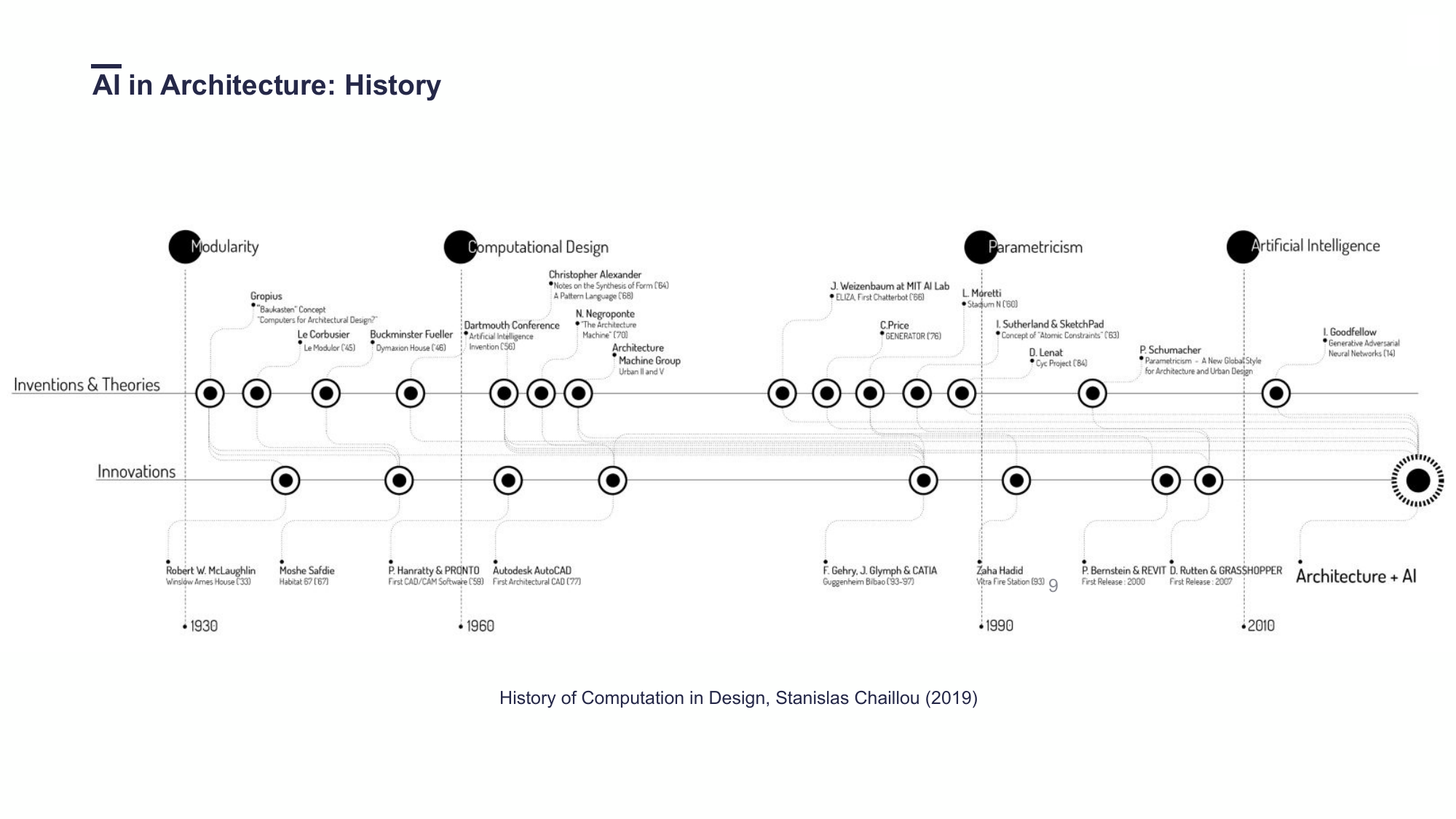
Fig. 03 — AI in Architecture: Historical Context
The Methodology: Engaging the underlying logic.
Students engaged directly with the machine learning pipeline through an extensive library of custom Google Colab codebooks. Using these interactive environments, they built their own datasets, calibrated model architectures like DCGANs, and learned to navigate latent space mathematically.
The Framework: Progressive Scaffolding.
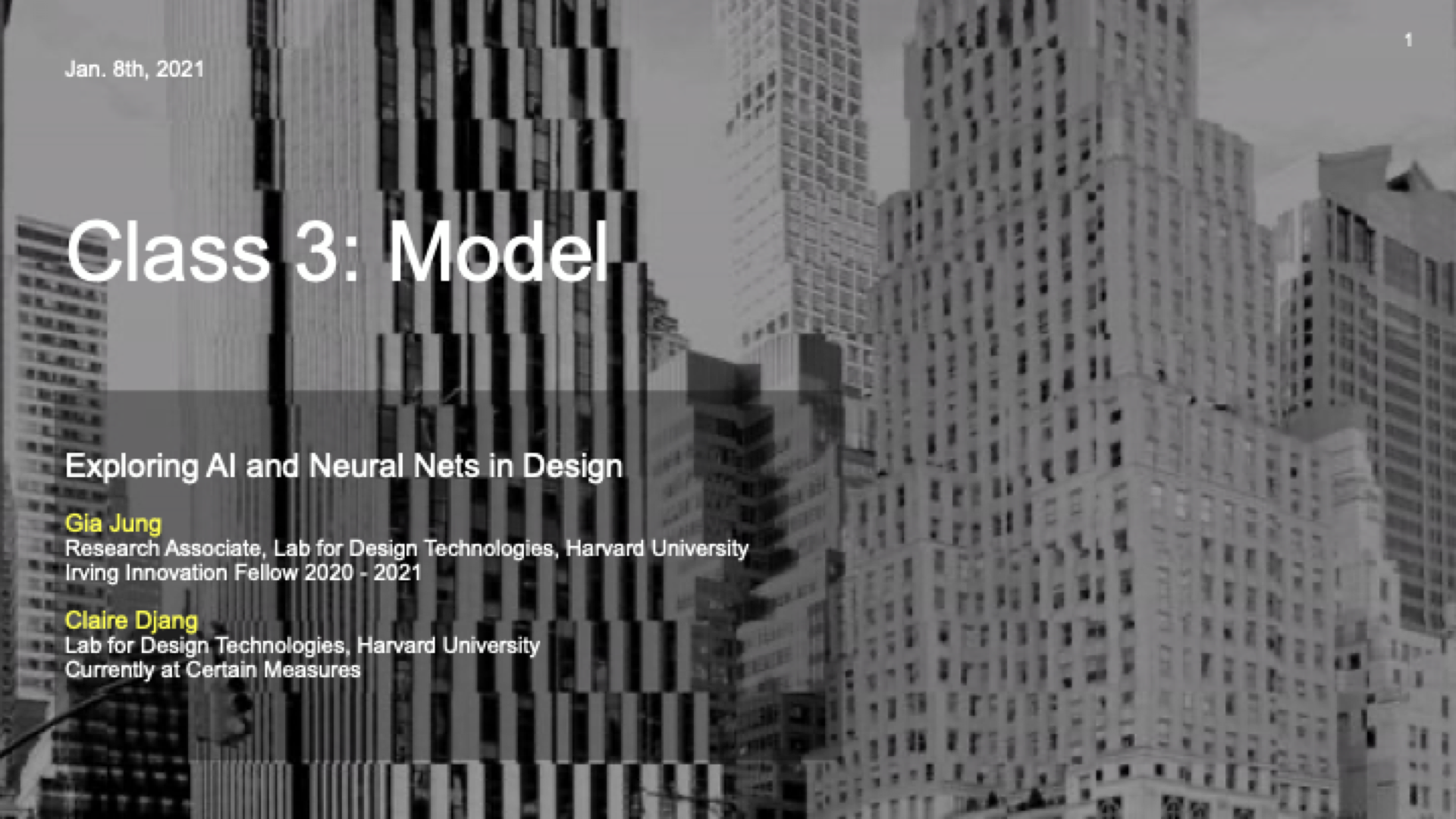
I designed a progressive framework organized into Data, Model, and Project phases. This structure broke the complex machine learning lifecycle into discrete, comprehensible stages from dataset curation to model training and latent space querying.
The Outcomes: From theory to industry impact.
Twenty cross-disciplinary students successfully trained their own models and manipulated latent space to generate novel architectural geometries within a single week. The technical foundation paid off far beyond the classroom. Alumni from this cohort have since gone on to build and ship core AI features as design engineers at companies like Adobe, Autodesk, ByteDance, and Meta.